For decades, the newest house in the neighborhood carried a certain status. New construction meant modern layouts, untouched finishes, energy-efficient systems, and fewer maintenance concerns. Buyers often competed for the latest development because it seemed like the safest and smartest choice available.
Yet time has a way of changing how people evaluate homes. A decade after moving into a neighborhood, many homeowners begin looking at their decisions differently. Features that once felt essential may matter less. Details that seemed insignificant can become surprisingly important. As communities mature and residents settle into daily life, opinions often shift from excitement about what is new to appreciation for what lasts.
Newness Stops Being a Selling Point
When a neighborhood is first built, nearly every conversation revolves around what is brand new. Buyers compare floor plans, appliance packages, builder upgrades, and model homes. Fresh paint and untouched landscaping create an immediate visual advantage over older properties nearby.
Ten years later, however, every home is no longer new. The initial excitement fades, and people begin evaluating houses based on how they have aged rather than how they looked on move-in day. Durability, maintenance requirements, and long-term appearance become more important than showroom appeal.
This shift is one reason homeowners often pay closer attention to exterior materials after several years of ownership. Products such as composite siding attract attention because they are evaluated not by how they look on the day of installation, but by how they continue performing after years of weather exposure and everyday wear. Over time, many homeowners discover that longevity creates more satisfaction than novelty.
Mature Neighborhoods Feel Different
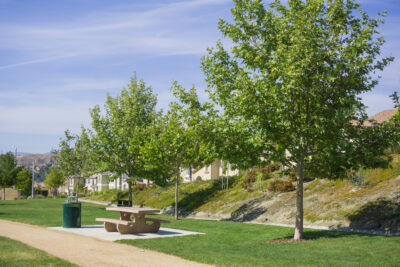
One reason opinions change is that neighborhoods themselves evolve. Newly constructed communities often lack the characteristics that develop naturally over time. Trees are smaller, public spaces feel less established, and residents are still learning how the community functions.
A decade later, many of those same neighborhoods feel completely different. Landscaping has matured. Residents know one another. Local businesses have become part of daily routines. Streets feel less like a development and more like a community.
Interestingly, this is when buyers and homeowners often start valuing location and neighborhood character more than the age of the house itself. The experience of living somewhere becomes more important than owning the newest property on the block. The surrounding environment begins influencing satisfaction just as much as the structure itself.
People Start Paying Attention to Daily Living
When purchasing a home, buyers often focus on major decisions and large visual impressions. Open floor plans, dramatic kitchens, and impressive entryways receive significant attention because they stand out during showings.
Years later, many homeowners realize that smaller details affect everyday life far more. Storage space, natural light, traffic patterns, noise levels, and neighborhood walkability often shape long-term happiness more than grand design features.
This shift explains why many people become increasingly interested in how homes function rather than how they photograph. Practical convenience gains importance because residents experience it every day. A feature that saves time or reduces frustration can eventually feel more valuable than a feature designed primarily to impress visitors.
The Appeal of Urban Living Has Evolved
Another change involves how people think about location. Ten years ago, many buyers prioritized larger homes and newer developments, even if it meant living farther from entertainment, restaurants, or workplaces.
As lifestyles evolve, convenience often becomes more valuable. Commute times, walkability, and proximity to social activities begin influencing housing preferences in ways buyers did not always anticipate. This is one reason properties such as https://www.urbnlivn.com/seattle-condos/belltown/first-light-seattle/ generate interest among people who increasingly prioritize lifestyle efficiency and neighborhood access over sheer square footage.
Many homeowners eventually discover that reducing travel time and increasing daily convenience can have a greater impact on quality of life than adding extra rooms they rarely use. As priorities shift, the definition of an ideal home often changes as well.
Maintenance Becomes Part of the Conversation
Few buyers spend much time thinking about maintenance during the excitement of purchasing a new home. Everything is functioning properly, surfaces are pristine, and repairs feel like a distant concern.
Years later, maintenance becomes impossible to ignore. Roofs age, exterior finishes require attention, landscaping grows, and systems eventually need replacement. At this stage, homeowners gain a much deeper appreciation for materials and design decisions that reduce long-term upkeep.
This is often when people reassess what truly provides value. Features that looked impressive initially may require significant ongoing attention. Other choices that seemed less exciting at first may prove remarkably practical over time. Experience frequently changes perceptions more effectively than marketing ever could.
Long-Term Satisfaction Looks Different Than Initial Excitement
One of the most interesting aspects of homeownership is how dramatically opinions can evolve. The factors that create excitement during the buying process are not always the same factors that create satisfaction years later.
A decade of living in a home provides perspective that cannot be gained during a weekend of property tours. Homeowners begin noticing which features continue improving daily life and which ones mattered only during the initial purchase decision. They learn which neighborhood qualities truly affect happiness and which concerns turned out to be less important than expected.
This does not mean new homes are a poor choice. Rather, it highlights how priorities naturally change as people gain experience. What feels essential during the buying process often differs from what feels valuable after years of ownership. The newest house on the street may still be desirable, but many homeowners eventually discover that durability, convenience, community, and everyday functionality leave a stronger impression than newness alone. In the end, lasting satisfaction tends to come from how a home supports daily life rather than how recently it was built.