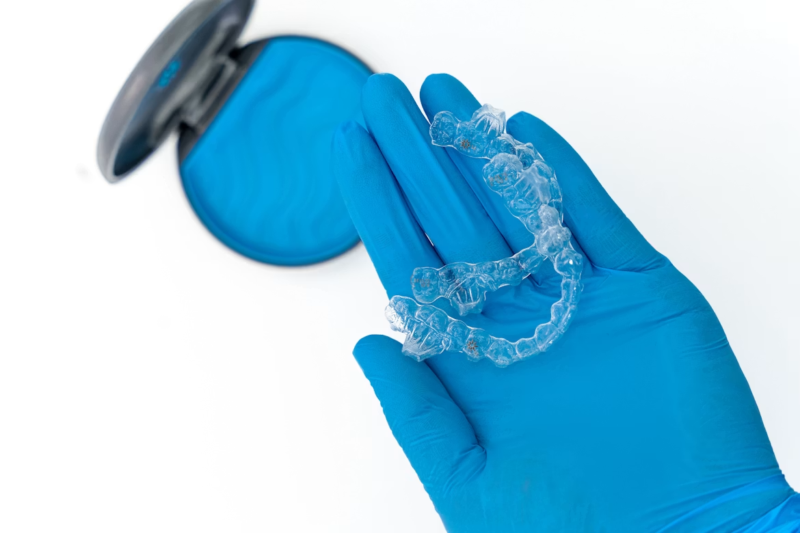
Clear aligners have quietly transformed orthodontic care over the past two decades — and with that shift has come a responsibility most patients underestimate. The aligners are doing sophisticated mechanical work in your mouth, applying calibrated pressure to shift teeth along a predetermined path. What many people don’t realize is that how you care for those aligners directly affects whether that plan stays on track or goes sideways. Dirty, warped, or poorly stored aligners don’t just look unpleasant — they can extend your treatment timeline, introduce bacterial infections, and compromise the precision fit that makes the whole system work.
This isn’t a niche concern. Orthodontic practices report that patient compliance and hygiene habits are among the most common factors leading to delayed treatment outcomes. And while the aligners themselves represent a significant investment of both time and money, the daily habits that protect that investment take only minutes. Understanding the *why* behind clear aligner care — not just a list of what to do — is what turns a good intention into an actually useful routine. What follows covers the science, the common pitfalls, the real-world adaptations, and the storage practices that keep your treatment on course from first tray to final result.
Why Proper Care Is Crucial for Clear Aligner Success
Every set of clear aligners is fabricated to exact specifications, designed to move specific teeth by fractions of a millimeter over a defined wearing period — typically one to two weeks per tray. That precision depends entirely on the aligner maintaining its original shape and fitting snugly against the teeth it’s meant to move. When care habits break down, so does that fit.
Bacterial buildup is the first domino. Aligners sit directly against the enamel for 20–22 hours a day, creating a warm, enclosed environment where bacteria thrive. When those bacteria multiply unchecked — because an aligner wasn’t cleaned after a meal or was rinsed with sugary drinks — they concentrate against tooth surfaces in ways that normal saliva flow can’t counteract. The result is accelerated plaque accumulation and elevated cavity risk, even for patients who brush regularly. The aligner essentially traps bacteria against enamel for hours at a time.
There’s a structural dimension to this as well. Heat, certain cleaning agents, and improper handling can subtly distort the aligner’s shape. A tray that’s even slightly warped no longer applies the correct force vectors to the intended teeth. This isn’t theoretical — orthodontists regularly see patients whose mid-treatment scans show teeth that haven’t moved as expected, and distorted aligner fit is one of the first things evaluated. In some cases, this means restarting a tray sequence or ordering refinement aligners, both of which extend the overall timeline.
Consider a patient who’s eight trays into a 20-tray treatment plan. They’ve been leaving their aligners on the bathroom counter without a case, rinsing them under hot tap water, and occasionally soaking them in mouthwash that contains alcohol. By tray nine, their orthodontist notices the fit has become inconsistent. What looked like a six-month process now needs mid-course correction. None of this was inevitable — it traces directly to daily care decisions that seemed minor in the moment.
Good aligner hygiene is also directly connected to overall periodontal health during treatment. Patients straightening their teeth with aligners are typically working toward a healthier long-term bite and smile. If poor aligner care introduces gum inflammation or early decay during that process, it undermines the very outcome the treatment is designed to achieve. Straightening your smile with Aligners is a meaningful investment — protecting it starts with understanding what’s actually at stake each time you remove a tray.
How to Establish a Daily Cleaning and Maintenance Routine
Building an effective cleaning routine comes down to consistency and using the right tools for the job. The good news is that the core process is simple enough to do morning and night without adding much time to your existing oral hygiene routine.
Every time you remove your aligners, rinse them immediately under cool or lukewarm water. This prevents saliva and food residue from drying onto the surface, which makes cleaning harder and creates an environment for bacteria to establish faster. Warm water is acceptable — hot water is not, because even brief exposure to high heat can begin to alter the thermoplastic material’s shape.
For the actual cleaning, use a soft-bristled toothbrush with a small amount of clear, unscented liquid soap. Avoid colored or strongly scented soaps, which can leave residue and introduce staining compounds into the material. Brush gently across all surfaces of the tray — inside and out — paying particular attention to the edges and the grooved areas that sit against your gumline. Toothpaste is not recommended for aligners; most formulas contain abrasives that scratch the surface and create micro-grooves where bacteria accumulate more readily.
Soaking adds a layer of cleanliness that brushing alone can’t fully achieve. Orthodontist-recommended aligner cleaning crystals (such as those designed specifically for retainers and aligners) or diluted hydrogen peroxide solutions work well for a 15–30 minute soak. Effervescent retainer tablets are another practical option. What to avoid: colored mouthwash (the dye can tint clear plastic over time) and undiluted bleach solutions, which degrade the material.
A realistic daily structure looks like this: remove and rinse before breakfast, brush your teeth before reinserting, soak the aligners during meals if possible, and give them a proper brush-and-rinse before putting them back in at night after your regular brushing and flossing. That’s the full routine — and it genuinely takes under five minutes.
What Common Mistakes in Clear Aligner Care Should You Avoid
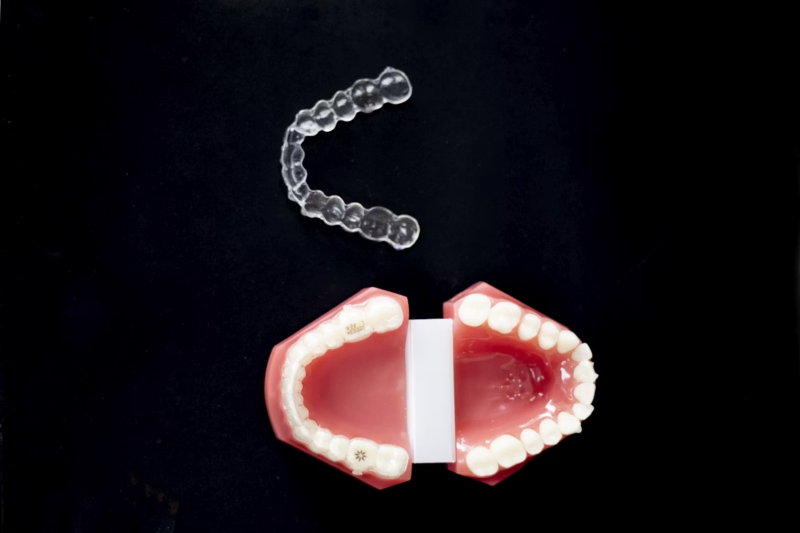
Even motivated patients fall into predictable traps. Knowing what they are — and why they cause problems — is the fastest way to avoid them.
Rinsing in hot water is probably the single most common mistake. It feels like it should be more sanitary, but the heat warps the plastic in ways that are often invisible to the naked eye. If your aligners feel slightly “off” after a hot rinse, they may have already lost some of their calibrated shape.
Leaving aligners exposed to open air when they’re not in your mouth is another widespread habit. Dried saliva creates a film that encourages bacterial growth and makes the next cleaning more effortful. It also leaves the aligners vulnerable to airborne contaminants in environments like gym locker rooms or shared bathrooms.
Eating or drinking while wearing aligners (beyond plain water) is a category-one compliance problem. Food particles work their way between the tray and tooth surface, and beverages — particularly coffee, tea, and anything carbonated or sweetened — expose the plastic to staining compounds and acids. Even a single episode of drinking a sugary beverage while wearing an aligner can trap that liquid against enamel for hours.
Patients also frequently underestimate the risk of cleaning with the wrong products. Alcohol-based mouthwash, for example, is antibacterial, which sounds like a benefit — but the alcohol gradually clouds clear plastic and weakens the material. Similarly, using a medium or hard-bristled brush to scrub aligners quickly introduces surface scratches that make the trays look foggy and harbor bacteria.
One overlooked issue is skipping the nighttime cleaning. Bacteria proliferate during sleep, and going to bed with an unclean aligner amplifies that effect. Morning cleaning matters, but the nighttime step is arguably more important given the hours involved.
How to Adapt Clear Aligner Care During Travel and for Sensitive Teeth
Real life doesn’t pause for orthodontic treatment, which means your care routine has to be portable and adaptable. Two contexts catch patients unprepared more than any other: travel and sensitivity-related discomfort.
Adjusting Care for Travel and Busy Lifestyles
Travel compresses everything — meal schedules, bathroom access, the availability of cleaning supplies. The most practical approach is building a dedicated travel kit that stays packed independently of your regular toiletry bag. It should include aligner cleaning tablets (which are dry, compact, and TSA-friendly), a spare case, a small soft-bristled travel brush, and a travel-sized bottle of unscented liquid soap.
When sink access is genuinely unavailable — on a long flight, during a road trip — carrying a water bottle and pre-moistened cleaning wipes designed for dental appliances provides a workable bridge solution. The goal isn’t perfection; it’s preventing the kind of cumulative neglect that happens when travelers decide to “catch up on cleaning later” and then don’t. Keeping your aligner case on your person rather than in checked luggage also eliminates the risk of losing or damaging trays during transit.
Managing Clear Aligner Care for Sensitive Teeth and Seasonal Changes
Patients with naturally sensitive teeth or existing gum sensitivity sometimes find that standard cleaning solutions irritate their tissue — particularly if residue from cleaning tablets isn’t fully rinsed off before reinsertion. A thorough rinse with cool water after any soak addresses most of this, but switching to a gentler solution (like a diluted hydrogen peroxide mix) can reduce irritation without sacrificing hygiene.
Summer heat introduces an underappreciated challenge. Leaving aligners in a hot car, on a sunny windowsill, or in a gym bag in warm temperatures can distort them just as effectively as hot tap water. Storage in a case, away from direct heat sources, matters more in warmer months. Hydration is also relevant here — dry mouth increases during hot weather and with increased physical activity, and a less lubricated oral environment can make aligners feel tighter and accumulate deposits faster. Staying well-hydrated supports both comfort and hygiene during summer months.
What Are the Best Practices for Storing and Protecting Clear Aligners
Everything covered above about cleaning becomes less effective if storage habits undermine it. The aligner case is the single most important piece of equipment that comes with your treatment, and it’s also the one patients most frequently leave at home, forget, or lose.
The case serves two functions: it protects the physical structure of the aligner from distortion and breakage, and it provides a hygienic enclosed environment that limits bacterial exposure when the tray isn’t in your mouth. An aligner sitting on a napkin at a restaurant, balanced on a bathroom counter, or wrapped in a tissue in a pocket satisfies neither function. Tissues, in particular, are a notorious hazard — aligners wrapped in them get thrown away dozens of times a day by patients and restaurant staff alike.
Cases should be cleaned regularly, not just the aligners themselves. A quick scrub with soap and water every few days prevents the case interior from becoming a recontamination source. If you’ve been sick, a more thorough disinfection of the case is worth the extra step.
For patients who are transitioning between tray sets, keeping the previous set in a clearly labeled secondary case is good practice. Previous trays serve as a backup if a current tray is lost or damaged — your orthodontist can advise whether wearing an older set temporarily is appropriate while a replacement is fabricated.
One forward-looking habit worth establishing early: treat your case the way you treat your phone. It goes everywhere you go, it stays in a consistent location so you always know where it is, and leaving home without it isn’t an option. That single mindset shift eliminates the two most common aligner care failures — exposure damage and accidental loss — before they happen.