When your veterinarian mentions surgery for your pet, the American Veterinary Medical Association reports that over 90% of companion animals will require at least one surgical procedure during their lifetime — yet many pet owners feel unprepared for the decisions and care involved. As veterinary medicine advances rapidly in 2024, the range of surgical options has expanded dramatically, from minimally invasive laparoscopic techniques to sophisticated pain management protocols that weren’t available even five years ago.
For the millions of families facing surgical recommendations for their dogs and cats, understanding the landscape of available procedures, associated risks, and recovery expectations has become more complex than ever. Modern veterinary surgery encompasses everything from routine spay procedures using laser technology to intricate neurological operations that can restore mobility to paralyzed pets. The choices you make about surgical timing, technique selection, and post-operative care directly impact not just your pet’s immediate recovery, but their long-term quality of life and your financial planning as well.
Common Types of Pet Surgery and When to Use Them
Pet surgery falls into four primary categories, each addressing different anatomical systems and medical conditions that affect dogs and cats throughout their lives. Soft tissue surgeries represent the most frequently performed procedures, encompassing everything from routine spay and neuter operations to more complex abdominal exploratory surgeries when pets ingest foreign objects or develop gastrointestinal blockages. These procedures typically involve organs, muscles, and connective tissues rather than bones or joints.
Orthopedic surgeries address bone, joint, and ligament problems that commonly affect active dogs and aging cats. Cruciate ligament repairs in dogs, hip dysplasia corrections, and fracture repairs from accidents fall into this category. Large breed dogs face higher risks for orthopedic issues due to their size and growth patterns, while cats more commonly need orthopedic intervention following trauma from falls or vehicle accidents.
Oncologic surgery involves the removal of tumors and cancerous growths, often combined with chemotherapy or radiation treatments. Early detection dramatically improves surgical outcomes — masses caught when they’re smaller than a golf ball generally have better prognosis than those allowed to grow larger. The location and type of cancer determine whether surgery aims to cure the condition entirely or simply improve quality of life by reducing tumor burden.
Neurological surgery represents the most specialized category, addressing conditions affecting the brain, spinal cord, and peripheral nerves. Intervertebral disc disease in breeds like Dachshunds and French Bulldogs often requires surgical decompression to prevent permanent paralysis. These procedures demand specialized equipment and expertise, typically performed at veterinary specialty hospitals rather than general practice clinics.
The timing of surgical intervention often proves as critical as the procedure itself. Emergency surgeries for conditions like gastric dilatation-volvulus (bloat) or severe trauma require immediate action, while elective procedures like routine spaying allow for careful planning and optimal timing around your pet’s health status and your family’s schedule.
Understanding Anesthesia and Surgical Risks in Pets
Modern veterinary anesthesia has evolved to become remarkably safe, but understanding the process helps owners make informed decisions about their pet’s care. Inhalation anesthesia using isoflurane or sevoflurane represents the gold standard for most surgical procedures, allowing precise control over anesthetic depth and rapid recovery times. These gases are eliminated primarily through the lungs, making them safer for pets with liver or kidney concerns compared to injectable anesthetics.
Pre-anesthetic blood work serves as the foundation of surgical safety, revealing hidden conditions that could complicate anesthesia. Kidney function, liver enzymes, and blood cell counts provide crucial information about how well your pet will process anesthetic drugs. Older pets and certain breeds with known genetic predispositions may require additional cardiac evaluation or specialized monitoring during surgery.
Anesthetic risks correlate strongly with age, breed, and overall health status. Brachycephalic breeds like Bulldogs and Persians face higher risks due to their compressed airways, often requiring specialized intubation techniques and extended recovery monitoring. Very young puppies and kittens under 12 weeks old have immature liver function that affects drug metabolism, while geriatric pets may have decreased cardiac or kidney function that influences anesthetic choices.
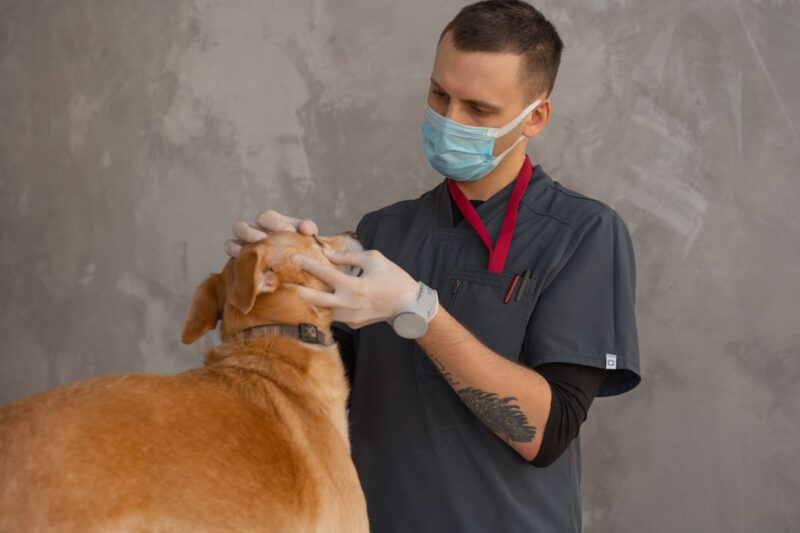
Monitoring during surgery includes continuous assessment of heart rate, blood pressure, oxygen saturation, carbon dioxide levels, and body temperature. Modern veterinary hospitals utilize the same monitoring equipment found in human hospitals, with trained veterinary technicians dedicated solely to anesthetic monitoring throughout the procedure. This level of oversight has reduced anesthetic complications significantly over the past decade.
Most surgical risks stem from the procedure itself rather than anesthesia, including infection, bleeding, and healing complications. Surgical site infections occur in approximately 2-5% of clean surgical procedures when proper sterile techniques are followed, while more complex or contaminated surgeries carry higher infection risks that antibiotics can help prevent.
Preparing for Surgery and Post-Operative Care Essentials
Pre-Surgery Preparation for Pets
The 12-24 hours before surgery set the stage for optimal outcomes through careful preparation of both pet and environment. Fasting requirements typically involve withholding food for 8-12 hours before anesthesia to prevent vomiting and aspiration, while water access usually continues until 2-4 hours before the procedure. Very young puppies and kittens require modified fasting protocols to prevent dangerous drops in blood sugar levels.
Creating a calm environment reduces pre-surgical stress that can complicate anesthesia and recovery. Maintain normal routines as much as possible, avoid introducing new stressors like boarding or dietary changes, and consider using synthetic pheromone diffusers for particularly anxious pets. Some veterinarians prescribe anti-anxiety medications for pets with severe stress responses to veterinary visits.
Home preparation should include setting up a quiet recovery space away from stairs, other pets, and household activity. Remove food and water bowls from floor level if your pet will wear an Elizabethan collar, and ensure all family members understand post-operative restrictions before the surgery day arrives. Having everything ready eliminates stress during the critical first few days of recovery when your pet needs consistent, quiet care.
Post-Operative Care and Pain Management
Effective pain management begins before the first incision and continues throughout the recovery period using multimodal approaches that combine different types of pain medications. Pre-emptive analgesia prevents pain signals from establishing pathways in the nervous system, making overall pain control more effective than waiting to treat pain after it develops.
Most surgical patients receive a combination of opioid medications for severe pain, anti-inflammatory drugs for swelling and moderate pain, and sometimes local anesthetic blocks for specific surgical sites. This approach allows lower doses of each medication while achieving better pain control with fewer side effects. Never give human pain medications to pets — common drugs like ibuprofen and acetaminophen can be fatal to dogs and cats.
Monitor your pet’s comfort level through behavioral cues rather than waiting for obvious signs of distress. Subtle indicators of pain include decreased appetite, reluctance to move, abnormal posturing, excessive panting or purring, and changes in bathroom habits. Most pets should show gradual improvement in comfort and activity levels each day following surgery.
Beyond surgical care for pets, proper wound management prevents complications that could require additional treatment. Keep incision sites clean and dry, prevent licking or scratching through appropriate collar use, and watch for signs of infection including increased redness, swelling, discharge, or odor. Most surgical sites heal within 10-14 days, with skin sutures or staples removed during that timeframe.
Recovery Timelines and Managing Complications After Surgery
Recovery Timeline Overview
Recovery periods vary dramatically based on the type and complexity of surgery performed, ranging from a few days for routine procedures to several months for major orthopedic reconstructions. Soft tissue surgeries like spaying typically require 7-10 days for initial healing, with full activity restriction lasting 14 days to ensure internal tissues heal properly. Most pets feel significantly better within 2-3 days but may still have movement limitations during the complete healing process.
Orthopedic procedures demand longer recovery periods due to the time required for bone healing and physical rehabilitation. Simple fracture repairs may require 6-8 weeks of restricted activity, while complex procedures like total hip replacement can require 3-4 months of graduated exercise programs. Physical therapy often plays a crucial role in orthopedic recovery, helping pets regain strength and range of motion safely.
The first 48-72 hours post-surgery represent the most critical period for monitoring and intervention. During this time, pets transition from the effects of anesthesia, establish eating and drinking patterns, and begin the initial phases of tissue healing. Most complications, if they occur, become apparent within this window, making close observation essential.
Age and overall health significantly influence recovery speed, with younger, healthier pets generally healing faster than older animals or those with concurrent medical conditions. However, very young pets may require modified recovery protocols due to their higher energy levels and tendency to resume normal activity before healing is complete.
Recognizing and Avoiding Complications
Surgical site complications represent the most common post-operative problems, typically involving infection, delayed healing, or mechanical disruption of the surgical repair. Signs requiring immediate veterinary attention include persistent bleeding, increasing swelling after the first 24 hours, discharge with foul odor, separation of wound edges, or signs of systemic illness like fever or severe lethargy.
Preventing complications starts with strict adherence to activity restrictions, even when your pet seems to feel fine. Many surgical failures occur because pets return to normal activity too quickly, disrupting internal repairs before they’ve gained sufficient strength. Use leash walks only, prevent jumping or running, and consider crate rest for particularly active dogs during the initial recovery phase.
Elizabethan collar compliance proves crucial for preventing self-trauma to surgical sites, despite most pets’ initial resistance to wearing them. Modern collar designs offer more comfort than traditional plastic cones, including inflatable options and soft fabric alternatives that still prevent access to incisions while allowing more normal eating and sleeping positions.
Monitor appetite, bathroom habits, and energy levels throughout recovery, as changes in these basic functions often signal developing problems before they become serious. Contact your veterinarian promptly if your pet stops eating for more than 24 hours, seems increasingly uncomfortable despite pain medications, or shows any concerning changes in behavior or physical condition.
Advances in Veterinary Surgery and Non-Surgical Treatment Options
Modern veterinary surgery increasingly incorporates minimally invasive techniques that reduce tissue trauma, decrease post-operative pain, and accelerate recovery times compared to traditional open surgical approaches. Laparoscopic surgery allows veterinarians to perform procedures like spaying, liver biopsies, and abdominal exploration through small keyhole incisions rather than large abdominal openings, resulting in less pain and faster healing for pets.
Laser surgery offers precise tissue cutting with simultaneous sealing of blood vessels and nerve endings, reducing bleeding, swelling, and post-operative discomfort. Many routine procedures like mass removals, declawing alternatives, and soft tissue repairs benefit from laser technology, though the equipment cost means it’s not available at all veterinary facilities.
Arthroscopic techniques allow surgical treatment of joint problems through tiny incisions, enabling repair of torn ligaments, removal of bone chips, and treatment of chronic arthritis with minimal tissue disruption. These procedures often allow pets to return to normal activity weeks sooner than traditional open joint surgery.
However, surgery isn’t always the only option for managing medical conditions in pets. Conservative medical management can effectively treat many orthopedic problems through weight management, physical therapy, anti-inflammatory medications, and activity modification. Conditions like mild hip dysplasia or early arthritis may respond well to non-surgical approaches, particularly when combined with joint supplements and environmental modifications.
Advanced imaging techniques like MRI and CT scans now help veterinarians determine whether surgical intervention will truly benefit individual pets, avoiding unnecessary procedures when medical management might achieve similar outcomes. This precision medicine approach considers each pet’s age, activity level, and quality of life goals when recommending treatment strategies, ensuring that surgical decisions align with realistic expectations for improvement and recovery.
The future of veterinary surgery continues evolving toward less invasive techniques, improved pain management protocols, and better integration of surgical and medical treatments to optimize outcomes for each individual patient.