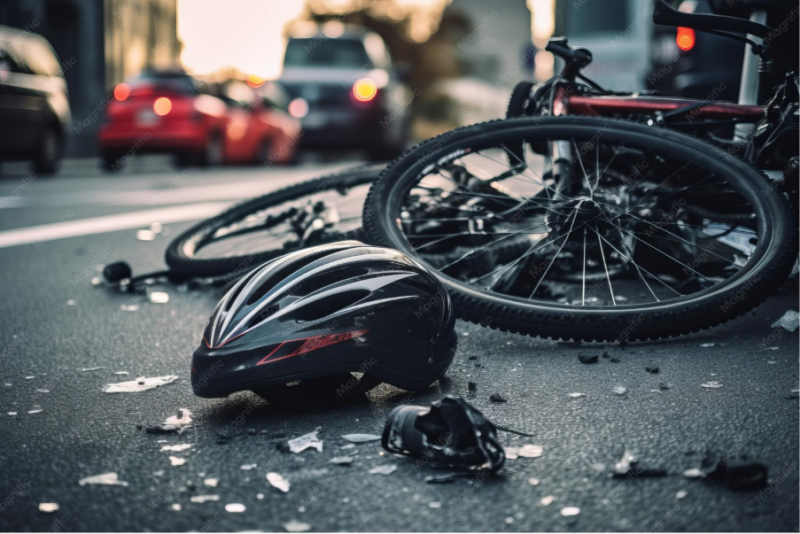
A driver who flees after a bicycle intersection accident in California may face criminal charges, fines, jail or prison time, and a suspended driver’s license. The penalties depend on whether the crash caused property damage, physical injury, or death, as well as the driver’s actions after the collision. Leaving the scene without providing required information or assistance can turn an accident into a separate criminal offense, even when the driver did not cause the initial crash.
California is known for its extensive road network, ranging from busy metropolitan streets to highways connecting cities and suburban communities. With many people relying on bicycles for commuting and recreation, traffic laws play an important role in helping motorists and cyclists share the road safely.
Understanding bicycle intersection right-of-way laws in California can help clarify who may have been responsible for a collision, but a driver’s obligation to stop after an accident is a separate legal requirement.
Leaving the Scene Can Lead to Criminal Charges
California law requires drivers involved in certain collisions to stop and fulfill their legal responsibilities. Under California Vehicle Code Section 20002, a driver involved in an accident causing property damage must stop, provide identifying information, and take other required steps. Failing to do so may constitute a misdemeanor hit-and-run offense.
When a bicycle accident causes injury or death, California Vehicle Code Section 20001 may apply. Drivers generally must stop, provide identifying information, and render reasonable assistance to anyone who has been injured. Leaving without meeting these obligations can result in more serious criminal consequences.
These duties apply regardless of whether the driver believes the cyclist caused the collision. Fault for the crash and responsibility for leaving the scene are separate questions.
Penalties Depend on the Severity of the Accident
The potential punishment depends heavily on the outcome of the collision and the circumstances surrounding the driver’s departure.
- Property damage only: A violation of Section 20002 is generally a misdemeanor, which can carry fines and possible county jail time.
- Accident involving injury: A violation of Section 20001 can be charged as a misdemeanor or felony, depending on the facts and applicable law.
- Accident involving death: A fatal hit-and-run may lead to felony charges and substantial prison exposure, depending on the circumstances.
A driver’s prior record, conduct after the crash, and the available evidence may also affect charging decisions and sentencing. Additional offenses may apply if the driver was intoxicated or committed another crime.
Right-of-Way Disputes Do Not Excuse Fleeing
Intersection accidents can involve complicated questions about who had the right of way. A driver might claim the cyclist entered the intersection unexpectedly, while the cyclist may have been traveling lawfully through a marked crossing or following a traffic signal.
Investigators may examine traffic signals, road markings, witness statements, surveillance footage, vehicle damage, and physical evidence to reconstruct the collision. California Vehicle Code Section 21801 addresses drivers turning left or making a U-turn when approaching vehicles, which constitute an immediate hazard. Other traffic rules may apply depending on the direction of travel and the movements involved.
Even if a driver believes the cyclist violated a traffic rule, that belief does not generally excuse failing to stop and fulfill the legal duties following a qualifying collision.
Evidence That Can Affect a Hit-and-Run Case
Evidence can help establish whether a driver was involved in the collision, knew or reasonably should have known an accident occurred, and failed to meet the applicable legal obligations.
Useful evidence may include:
- Witness accounts and nearby security camera footage.
- Photographs of the intersection, bicycle, and vehicle damage.
- Medical records documenting the cyclist’s injuries.
- Vehicle identification details or paint-transfer evidence.
- Police reports and statements made after the incident.
Anyone involved should preserve available evidence and provide accurate information to investigators. A person accused of leaving the scene should seek legal advice before making detailed statements about the incident.
Key Takeaways
- Fleeing after a bicycle intersection accident can lead to separate criminal charges.
- Property-damage hit-and-run cases are generally treated differently from crashes involving injury or death.
- California Vehicle Code Sections 20001 and 20002 address hit-and-run duties and penalties.
- Disputes over right of way do not automatically excuse leaving the scene.
- Witness accounts, video footage, and physical evidence can influence the investigation.