
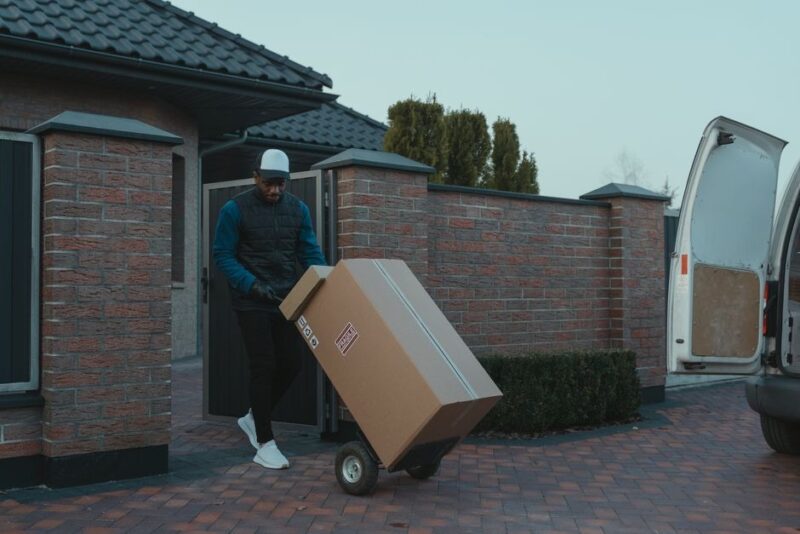
A long-distance move may seem simple on paper: pack, load, drive, and unpack. However, in reality, it affects your daily routine, budget, schedule, and stress levels all at once. The process can become even more complicated due to transportation challenges, unpredictable weather, and unexpected delays. Before comparing moving boxes and truck sizes, it helps to understand the challenges involved in relocating across state lines or across the country.
Why Long-Distance Moving Requires Careful Scheduling
A local move can often be completed in a single day, but a long-distance move requires more detailed planning. You need to consider pickup schedules, delivery timelines, route planning, fuel stops, interstate regulations, and inventory tracking. This means allowing extra time in your schedule to manage unexpected delays.
Planning a long-distance move also involves coordinating transportation, packing, and delivery arrangements. Managing these responsibilities without professional assistance can be challenging, especially when unexpected delays or scheduling conflicts arise. Poor coordination can lead to additional expenses, damaged belongings, and disruptions to your schedule. If you want to avoid these challenges, consider contacting experienced professionals like Coleman Worldwide Moving, who can help you plan and organize your relocation, coordinate transportation, and ensure your belongings are handled safely and efficiently.
Understanding the Factors That Affect Long-Distance Moving Costs
Many people assume that moving costs depend only on the distance traveled. However, pricing also depends on shipment weight or volume, labor requirements, packing services, property access, valuation coverage, storage needs, and delivery arrangements. For example, moving belongings from a third-floor apartment without an elevator may require more labor than moving from a house with an accessible driveway, even when the distance is the same.
This is why getting an accurate moving estimate is important. A detailed assessment, whether conducted virtually or in person, can help you understand the expected expenses and avoid unexpected charges. Large furniture, specialty items, and additional packing services can also increase the overall cost more than you might expect.
When comparing moving companies, review the detailed breakdown of charges rather than focusing only on the total price. A lower estimate may come with limited services, less comprehensive protection, or additional charges for tasks that other companies include in their quotes.
Why Proper Packing Matters
For short moves, packing items into ordinary boxes may be enough. However, long-distance moving requires greater care because belongings may be handled multiple times, stacked under heavy loads, and transported over longer distances. Proper packing helps prevent damage during transportation.
Electronics need protective padding, while dishes require sturdy boxes and suitable wrapping materials. Fragile items such as lamps, mirrors, and framed artwork need additional protection. Clear labeling is also important because it makes essential belongings easier to locate after arriving at your new home.
If you are considering professional packing services, focus on items that are difficult or expensive to replace. Fragile belongings, work equipment, and valuable personal possessions often require extra care during transportation.
How Local Moving Conditions Affect Long-Distance Relocation
Long-distance moving can become more complicated due to heavy traffic, unpredictable weather, and different types of residential properties. These factors can affect truck access, loading schedules, transportation routes, and overall coordination.
Whether you are moving from a busy city or a suburban neighborhood, local experience can make the process easier. Professional movers who understand traffic patterns, property access restrictions, and scheduling requirements can help prevent unnecessary delays.
Working with experienced professionals can also help you manage pickup and delivery arrangements more efficiently. Their knowledge of local conditions and long-distance transportation requirements can reduce potential complications and support a smoother relocation process.
Why Planning Your First Week After Moving Matters
Most moving advice focuses on preparing for departure, but the first week after arriving can be equally challenging. You may have to manage without essential furniture, a stable internet connection, or easy access to everyday items while unpacking.
Planning ahead can make this transition easier. Pack an essentials bag with bedding, toiletries, basic kitchen supplies, work equipment, cleaning products, and daily medications. You should also plan your first few days around important tasks such as setting up utilities, completing school registrations, arranging parking permits, and assembling furniture.
If you are relocating for work, managing your schedule becomes even more important. Allowing yourself enough time to settle in can reduce stress and help you adjust to your new home more comfortably.
Paperwork and Protection Matter More Than Most People Expect
Long-distance moves involve more documentation than many customers realize. You may see estimates, inventories, bills of lading, valuation selections, delivery windows, and policy disclosures. It’s easy to skim these when you’re stressed, but that’s usually where expectations are set.
Valuation coverage is one of the biggest areas of confusion. People often assume every move includes full protection in the everyday sense of insurance. It doesn’t always work that way. You need to know what level of liability applies, what claims timelines look like, and how high-value items should be documented.
Take photos before packing, especially for electronics, furniture, and fragile pieces. Keep digital copies of moving documents in one folder. If something goes wrong, organization speeds up communication and reduces disputes.
How Decluttering Makes Long-Distance Moving Easier
Getting rid of unnecessary belongings does more than save space. It reduces shipment volume, speeds up packing, simplifies inventory management, and makes unpacking easier. It also helps you avoid paying to transport items you may no longer need.
Be practical when deciding what to keep. Items that are inexpensive to replace, difficult to transport, or rarely used may be better left behind. These can include worn furniture, duplicate kitchen appliances, outdated electronics, and decorations that no longer suit your new home.
Consider the cost and effort required to transport each item. Think about packing materials, labor, transportation expenses, and the time involved. This approach can help you make better decisions about what is worth taking.
How to Plan a Long-Distance Move That Meets Your Needs
A successful moving plan should fit your schedule, budget, housing arrangements, and family needs. Some people require professional packing services, while others need temporary storage or flexible delivery schedules. Choosing the right services can make the process more manageable.
Before moving, consider important questions. Which tasks must be completed on time? Which belongings need special handling? Are there any building restrictions? What happens if your move-in date changes? Addressing these concerns early can help you avoid unexpected problems.
Long-distance relocation involves more than transporting belongings to a new address. It requires careful management of your time, money, and daily responsibilities. Understanding these challenges and preparing in advance can help you complete your move with less stress and fewer complications.


