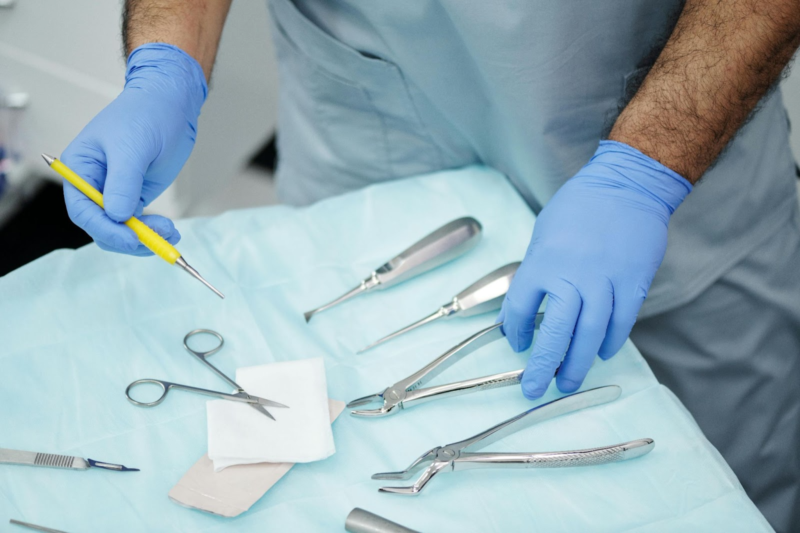
Dental implants in Allentown require a thorough understanding of the preparatory steps and post-operative care involved. Patients can expect detailed evaluations to assess their oral health and overall suitability for the procedure. The surgery itself is a precise process that necessitates careful planning and execution. Post-surgery, diligent oral hygiene and regular follow-up are essential for successful implant integration and maintenance. Gain insight into the intricate journey of dental implants to guarantee informed expectations.
Understanding Dental Implants and Their Benefits
Dental implants, a pivotal advancement in restorative dentistry, offer a reliable solution for individuals experiencing tooth loss. The anatomy of dental implants primarily consists of three components: the implant fixture, abutment, and prosthetic crown. The fixture, typically crafted from biocompatible titanium, integrates with the alveolar bone through osseointegration. This process guarantees stability and mimics the natural tooth root, providing a secure foundation for the abutment and crown.
Biological benefits of implants include preserving jawbone density, preventing bone resorption that typically occurs post-tooth loss. Additionally, they maintain the structural integrity of the facial anatomy and contribute to improved mastication and speech. Unlike traditional dentures or bridges, dental implants do not rely on adjacent teeth, consequently preserving natural dentition and enhancing oral health.
Assessing Your Suitability for Dental Implants
While understanding the benefits of dental implants is fundamental, determining an individual’s suitability for the procedure requires an extensive evaluation. This assessment begins with a comprehensive bone density assessment, essential for evaluating the jawbone’s capacity to support an implant. Adequate bone volume and density are necessary to guarantee the implant’s stability and longevity. In conjunction with this, a radiographic examination is conducted to provide detailed imaging of the oral structures. This examination helps in identifying any anatomical constraints and appraising the overall health of the jawbone. Additionally, the patient’s medical history, including systemic health conditions and medications, is reviewed to identify any potential contraindications. Consulting with experienced dental implant specialists in Allentown ensures this thorough evaluation is carried out effectively, helping only suitable candidates proceed with the implant process and optimizing long-term outcomes.
Initial Consultation and Treatment Planning
During the initial consultation for dental implants in Allentown, the patient evaluation process involves a detailed assessment of oral health, bone structure, and medical history to determine candidacy. Utilizing diagnostic tools such as X-rays and 3D imaging, clinicians gather data essential for creating a customized treatment plan tailored to the patient’s specific needs. This plan outlines the procedural steps, timelines, and expected outcomes, ensuring a structured and effective approach to dental implant therapy.
Patient Evaluation Process
A detailed patient evaluation process is essential for the successful planning and execution of dental implants. Initially, clinicians focus on determining oral health status through extensive examinations that include dental history, periodontal health, and existing tooth condition. Diagnostic tools such as X-rays and 3D imaging are integral in evaluating jaw bone density, ensuring there is adequate support for dental implants. This assessment identifies potential areas of concern, such as bone loss or infection, which may require preliminary treatment. Additionally, the evaluation process considers the patient’s overall health, including any systemic conditions that could impact healing and integration of the implants. By obtaining a comprehensive understanding of the patient’s oral and systemic health, clinicians can proceed with an informed approach to treatment planning.
Customized Treatment Plan
Upon completing a thorough patient evaluation, the dental team moves forward with developing a customized treatment plan tailored to the individual’s needs and conditions. This personalized treatment plan involves implant customization to guarantee ideal outcomes. The process starts with a detailed review of the patient’s oral health status, bone structure, and specific aesthetic requirements. Advanced imaging technologies, such as 3D scans, are utilized to gather precise data on the dental architecture, facilitating accurate implant placement. The treatment plan outlines the number of implants required, their positioning, and the type of restoration best suited for the patient. Additionally, the plan includes a timeline, detailing each phase of the procedure, from initial placement to final restoration, ensuring an exhaustive and systematic approach.
Pre-Surgery Preparations and Instructions
Prior to undergoing dental implant surgery in Allentown, patients must adhere to specific pre-surgery preparations and instructions to certify advantageous results. A critical component involves observing dietary restrictions. Patients are typically advised to refrain from eating or drinking for a specified period before the procedure, often starting the night before surgery. This fasting requirement is essential to minimize anesthesia-related complications. Additionally, patients should review medications to avoid. Certain blood-thinning agents, including aspirin and non-steroidal anti-inflammatory drugs, may increase bleeding risks during surgery and are generally discontinued under professional guidance. Consulting with healthcare providers confirms proper management of these medications and any prescribed alternatives. Following these preparatory guidelines greatly contributes to the success and safety of the dental implant procedure.
The Dental Implant Surgery Process
Dental implant surgery in Allentown involves a meticulously coordinated process designed to replace missing teeth with artificial roots and crowns. The surgical technique begins with a thorough assessment to guarantee the jawbone’s suitability for supporting the implant. During the implant placement procedure, local or general anesthesia is administered, and an incision is made in the gum to expose the bone. A dental drill is employed to create a precise osteotomy, allowing for the insertion of the titanium implant. This implant acts as an artificial root, promoting osseointegration over several months. Once the implant is securely anchored within the bone, a healing cap is placed to facilitate gum shaping. This method ensures long-term stability and functionality for the dental prosthetic.
Immediate Post-Surgery Care and What to Expect
After the completion of dental implant surgery, patients can expect a series of standard post-operative guidelines to aid in recovery and guarantee successful osseointegration. Key to managing recovery expectations is understanding initial healing protocols and adjusting to lifestyle changes. Patients should adhere to the following immediate post-surgery care steps:
- Dietary Adjustments: Soft foods are recommended to prevent implant site disturbance, facilitating healing and minimizing complications.
- Oral Hygiene: Gentle rinsing with a prescribed antiseptic mouthwash is essential to maintain oral cleanliness without disturbing the surgical site.
- Activity Modification: Limiting physical exertion is advised to reduce swelling and promote ideal healing conditions.
Managing Discomfort and Pain After Surgery
Managing discomfort and pain is a key component of recovery following dental implant surgery. Patients typically experience some degree of pain, which can be effectively managed through prescribed analgesics. Nonsteroidal anti-inflammatory drugs (NSAIDs) are commonly recommended to manage pain levels and diminish inflammatory responses. Addressing swelling is imperative, as it often accompanies surgical procedures. Application of ice packs intermittently during the initial 48 hours post-surgery can greatly reduce swelling. Additionally, elevation of the head during rest assists in minimizing edema. Patients should follow a soft diet to avoid exacerbating discomfort and to facilitate the healing process. Adherence to post-operative care instructions provided by dental professionals is essential for effective pain management and ideal recovery outcomes, ensuring patient comfort and satisfaction.
Ensuring Proper Healing and Implant Integration
Successful healing and integration of dental implants are pivotal for long-term functionality and patient satisfaction. To guarantee optimal outcomes, attention to detail in post-operative care is essential. Adherence to the following steps can greatly enhance healing and implant integration:
- Proper Oral Hygiene: Implementing meticulous oral hygiene practices, including gentle brushing and the use of antiseptic mouth rinses, is indispensable to prevent infection and promote healing.
- Consistent Follow-Up Appointments: Regular follow-up appointments with dental professionals are necessary to monitor the healing process and address any complications promptly.
- Avoidance of Excessive Force: Patients should avoid applying excessive force to the implant site by eating soft foods and refraining from using the area for chewing during the initial healing phase.
These measures collectively contribute to the successful integration of dental implants.
Long-Term Maintenance and Oral Hygiene Practices
Although the initial healing phase is indispensable, the long-term preservation of dental implants is equally paramount to guarantee their durability and functionality. Regular oral hygiene practices are vital, with daily brushing and flossing serving as the cornerstone of care. Using a soft-bristled toothbrush and non-abrasive toothpaste guarantees the protection of the implant surface and surrounding gum tissue. Flossing or using interdental brushes assists in removing plaque and food particles from hard-to-reach areas, thereby mitigating potential periodontal complications. Additionally, professional cleanings every six months are recommended to remove any calculus deposits and assess the implant’s condition. This extensive oral hygiene regimen not only supports the longevity of the dental implants but also promotes overall oral health and prevents peri-implant diseases.
Monitoring Progress and Follow-Up Appointments
To guarantee the ideal performance and durability of dental implants, monitoring progress through regular follow-up appointments is crucial. These appointments play a pivotal role in securing the implant’s integration with the bone and overall oral health. Patients in Allentown should adhere to a systematic schedule for optimal outcomes:
- Initial Assessment: Within the first few months post-surgery, regular check-ups allow the dentist to assess healing and implant stability.
- Routine Maintenance: Scheduled visits every six months help evaluate the surrounding gum tissue and adjust dental hygiene routines if necessary.
- Long-term Evaluations: Annual reviews confirm the implant continues to function correctly and detect any potential issues early.
Through these structured evaluations, dental professionals can offer targeted advice and maintain the longevity of the implants.
Frequently Asked Questions
Can Dental Implants Trigger Allergies or Immune Reactions?
Dental implants typically have high material biocompatibility, minimizing adverse immune system responses. However, rare cases of allergies or immune reactions can occur, often due to specific material sensitivities, underscoring the importance of pre-surgical allergy testing and consultation.
What Are the Risks of Dental Implant Failure?
The risks of dental implant failure include implant infection risk and bone loss possibility. Infection can compromise the implant site, while insufficient bone integration may lead to instability, affecting long-term success and necessitating potential corrective procedures.
Are There Dietary Restrictions During the Healing Period?
During the healing period, patients must adhere to soft food requirements and observe chewing limitations to guarantee proper recovery. This dietary adjustment minimizes stress on the dental implant site, fostering ideal healing and reducing potential complications.
How Do Dental Implants Affect Speech or Pronunciation?
Temporary speech adjustments may occur post-surgery due to swelling and adaptation to new implants. However, dental implants typically lead to long term pronunciation improvements by providing a stable structure similar to natural teeth, enhancing clarity.
Can I Use a Water Flosser With Dental Implants?
Using a water flosser is generally suitable for dental implants. It is part of proper flossing techniques and should be integrated into the implant maintenance schedule to effectively remove plaque and prevent peri-implantitis.