The world of mental health support is hitting a major turning point. Thanks to artificial intelligence, taking care of your mind is no longer a luxury reserved for those with deep pockets or flexible schedules. We’re seeing a wave of new tools from intuitive chatbots to smart algorithms – that don’t just “talk” but actually learn how to provide personalized care. Understanding this shift is key to seeing how technology is making emotional support a universal reality.
The New Era of Digital Support
Let’s face it: traditional therapy can be intimidating and expensive. This is exactly why the demand for an ai therapist free of charge has skyrocketed. People are looking for a way to manage their stress and anxiety without the financial stress that usually comes with it. The real game-changer here is instant availability. Mental health crises don’t wait for a 2:00 PM appointment on a Tuesday. Whether it’s a late-night panic attack or a burst of mid-day burnout, AI systems are “on-call” 24/7. That kind of immediate access can be a literal lifesaver when you just need someone or something to talk to right now.
How It Actually Works
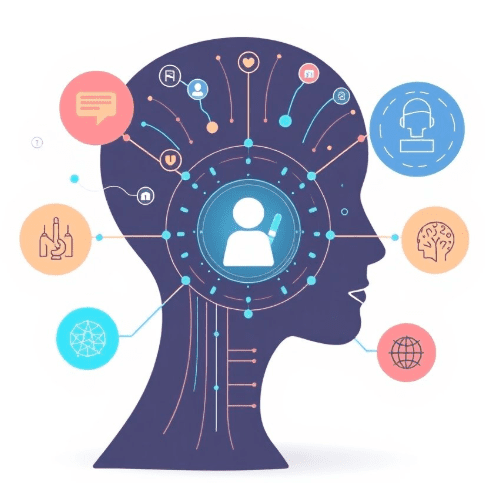
It’s not magic; it’s a mix of Natural Language Processing (NLP) and machine learning. These tools study the way you communicate to understand your emotional state. For example, if the system notices you’re feeling overwhelmed every Sunday night, it might proactively suggest a mindfulness exercise or a specific coping strategy that helped you before.
What’s even more useful is the data-driven insight. By tracking your mood swings and thought patterns over weeks or months, AI can show you “the big picture” of your mental health journey, making self-reflection much easier and more objective.
Why Digital Therapy is Winning Hearts
- Total Accessibility: It breaks down geographic barriers. Whether you’re in a remote village or a crowded city, help is just a click away.
- Budget-Friendly: By offering free or low-cost tiers, these platforms remove the “wealth gap” in mental healthcare.
- Judgment-Free Zone: There’s a unique sense of safety in anonymity. Many people find it easier to open up to an AI because they know there’s zero risk of social stigma or being “judged.”
- Consistency: An AI doesn’t forget. It keeps a perfect record of your progress, ensuring a level of continuity that human schedules sometimes disrupt.
While an algorithm can’t yet mirror the deep soul-to-soul connection of a human therapist, it’s an incredible ally. By blending cognitive behavioral therapy (CBT) principles with emotional recognition tech, platforms are becoming more “human” every day.
The Bottom Line
The rise of AI therapy tools marks a massive shift in how we handle our inner lives. It’s about making support personal, immediate, and accessible to everyone. As these technologies keep evolving, the future looks bright: a world where everyone has the tools they need to stay mentally healthy, right in the palm of their hand.