In Ridgewood, NJ, early orthodontic screenings are crucial for your child’s dental health. By evaluating facial symmetry, jaw alignment, and tooth development at a young age, orthodontists can spot potential issues early. This proactive approach not only guides jaw growth but also prevents complex future problems. With this, your child can enjoy improved speech and self-esteem. Wondering how these screenings could impact your child’s smile and overall health?
Understanding the Importance of Early Orthodontic Screenings
When it comes to orthodontic health, understanding the importance of early screenings can’t be overstated. Early diagnosis opportunities are vital for identifying potential issues in developing teeth and jaw structures. By scheduling an orthodontic evaluation for your child, you allow dental professionals to detect irregularities that might not be immediately visible. This proactive approach facilitates preventative dental treatments, which can mitigate more complex problems later.
Interventions at an early stage can guide proper jaw growth, support adequate space for incoming permanent teeth, and potentially reduce the need for invasive procedures in the future. By seeking expert orthodontic services in Ridgewood, parents can ensure their child receives thorough evaluations and tailored care. Understanding these aspects empowers you to make informed decisions regarding your child’s dental health. Remember, timely screenings pave the way for healthier smiles and enhanced overall well-being.
What to Expect During a Child’s First Orthodontic Visit
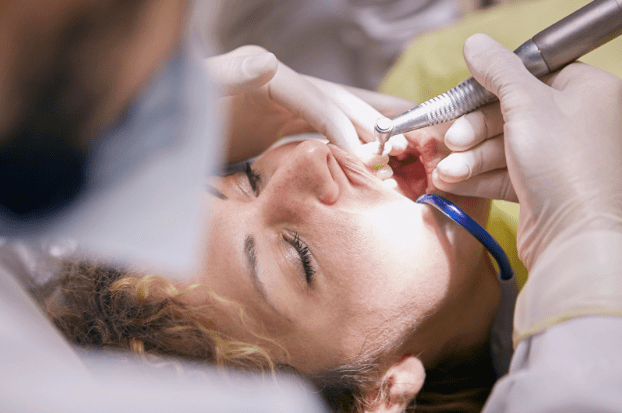
After recognizing the significance of early orthodontic screenings, it’s important to know what to expect during your child’s first orthodontic visit. The initial appointment is pivotal, shaping your child’s initial impression of orthodontic care. A thorough examination will be conducted, focusing on orthodontic evaluation milestones. The orthodontist will assess facial symmetry, jaw alignment, and dental arch development, using digital imaging and physical inspection. They’ll discuss your child’s dental history and any specific concerns you may have. This visit serves not only to evaluate but also to establish rapport, ensuring your child feels comfortable. The orthodontist will outline a preliminary treatment plan, if necessary, and schedule follow-ups to monitor development. Your child’s confidence and understanding of this process are prioritized throughout the visit.
Identifying Common Dental Issues in Children
Understanding common dental issues in children is crucial for timely intervention and effective treatment. You’ll want to be aware of common dental concerns such as cavities, misaligned teeth, and gum disease. These issues can impact your child’s oral health considerably if not addressed early. Be observant of prevalent oral habits like thumb-sucking and tongue thrusting, as they could lead to malocclusions or improper bite development. Early detection of these habits allows you to seek guidance before they cause long-term effects. Regular dental check-ups are essential for monitoring your child’s oral health and identifying potential problems. Your dentist can provide tailored advice and treatments, ensuring your child maintains a healthy, confident smile. Remember, proactive care is key to preventing future dental challenges.
The Role of Orthodontists in Children’s Dental Health
When it comes to your child’s dental health, orthodontists play a critical role in conducting early evaluations to address potential issues proactively. By identifying misalignments and jaw irregularities at an early stage, orthodontists can implement preventive measures that avert more complex problems in the future. Prioritizing early assessment not only guarantees ideal dental development but also contributes to a healthier, more confident smile for your child.
Importance of Early Evaluation
Although it might seem premature to some, early orthodontic evaluations play an essential role in a child’s dental health. By identifying the ideal timing for intervention, orthodontists can monitor your child’s developmental progress more effectively. Early evaluations, typically recommended by age seven, allow for the detection of potential alignment issues when the jaw and teeth are still developing. This proactive approach provides the opportunity to guide growth and correct bite problems before they become more complex. You’ll gain valuable insights into your child’s oral development, ensuring that emerging concerns are addressed promptly. Trust in the expertise of Ridgewood, NJ orthodontists to determine the most suitable course of action, optimizing treatment outcomes and fostering a foundation for long-term dental health.
Preventing Future Dental Issues
With early evaluations setting the stage for proactive care, orthodontists in Ridgewood, NJ have a pivotal role in averting future dental problems. By focusing on early detection, they identify potential issues before they escalate. This proactive approach is instrumental in ensuring long-term dental health for children. Here’s how an orthodontist can help:
- Monitor Growth Patterns: Identifying irregularities in jaw and teeth development early on allows for timely intervention.
- Guide Jaw Development: With early treatment, correcting jaw misalignments becomes more manageable.
- Prevent Tooth Extraction: Addressing crowding and alignment early may reduce the need for extractions later.
- Improve Oral Hygiene: Early adjustments can simplify brushing and flossing, reducing the risk of cavities and gum disease.
How Early Intervention Can Simplify Treatment
By initiating orthodontic screenings at an early age, you can harness the benefits of early detection, which may greatly streamline the treatment process. Identifying potential issues before they fully develop allows for targeted interventions that can reduce the complexity and duration of future orthodontic procedures. Early intervention not only minimizes potential complications but also enhances long-term dental health outcomes for your child.
Benefits of Early Detection
Why is early detection in orthodontics so essential? By pinpointing issues early, you can address early treatment needs efficiently, simplifying future procedures. Early detection plays a crucial role in identifying dental problems before they escalate.
- Accurate Diagnosis: Catching issues early allows orthodontists to diagnose with precision, ensuring treatments are tailored to specific needs.
- Minimized Treatment Time: Early intervention often reduces the duration of orthodontic treatment, making the process less taxing.
- Cost-Effective: Addressing problems early can prevent the need for more extensive, costly procedures later on.
- Improved Outcomes: By identifying and managing issues promptly, you’re more likely to enjoy ideal dental health and aesthetics throughout life.
Early screening is your proactive step towards a healthier smile.
Reducing Future Complications
Identifying dental issues early not only facilitates accurate diagnosis but also sets the stage for reducing future complications. By engaging in timely orthodontic evaluations, you can strategically address potential problems before they escalate into more complex conditions. Early intervention plays a vital role in dental problems prevention, allowing orthodontists to guide jaw growth and development effectively. This proactive approach can simplify treatment plans, reducing the need for more invasive procedures later on.
In essence, early screenings enable the orthodontist to monitor and influence the trajectory of dental health, making future treatments less complicated and more predictable. By anticipating changes, you can guarantee that interventions are less disruptive and more effective, ultimately optimizing long-term oral health outcomes for the patient.
The Impact of Orthodontic Health on Child Development
While considering the multifaceted aspects of child development, it’s indispensable to recognize the pivotal role orthodontic health plays. Proper alignment of teeth is paramount not just for aesthetic reasons, but for comprehensive growth. Here’s how it influences your child’s development:
- Physical Development: Misaligned teeth can affect chewing efficiency, impacting nutritional intake and overall growth.
- Speech: Orthodontic issues might lead to speech impediments, which can hinder communication skills.
- Emotional Well-being: A child’s self-esteem can improve significantly with a confident smile, reducing anxiety and social withdrawal.
- Oral Health: Straight teeth are easier to clean, reducing the risk of cavities and gum disease, which are essential for a child’s health.
Focusing on these areas through early screenings can greatly enhance your child’s development trajectory.
Ridgewood’s Leading Orthodontic Specialists
Recognizing the significant impact of orthodontic health on child development, Ridgewood offers a selection of top orthodontic specialists dedicated to nurturing young smiles. These experts provide advanced treatment options tailored to address unique dental challenges, guaranteeing optimal results for every child. You’ll find that Ridgewood’s specialists employ state-of-the-art technologies, like 3D imaging and digital scanning, which enhance diagnostic accuracy and treatment precision.
Personalized patient care is at the forefront of their practice. Each treatment plan is meticulously crafted, considering your child’s specific needs, growth patterns, and lifestyle. Ridgewood’s orthodontists prioritize comfort and efficiency, reducing treatment time while enhancing effectiveness. Engage with these specialists to ensure your child receives thorough care that not only improves dental health but also boosts confidence and overall well-being.
Tips for Parents Considering Orthodontic Screenings
When you’re considering orthodontic screenings for your child, it’s crucial to start with a thorough understanding of what to expect.
- Schedule Early: The American Association of Orthodontists recommends an initial screening by age 7. This allows for early detection of potential issues.
- Emphasize Proper Nutrition: Guarantee your child consumes a balanced diet rich in calcium and vitamins, which supports healthy tooth development.
- Establish Good Dental Hygiene Habits: Encourage routine brushing and flossing to maintain oral health and prevent cavities that could complicate orthodontic treatment.
- Consult with Experts: Engage with experienced orthodontic specialists in Ridgewood, NJ, to explore personalized treatment options tailored to your child’s needs.
These steps can help set the stage for a successful orthodontic journey.
The Cost-Effectiveness of Early Dental Intervention
When considering the cost-effectiveness of early dental intervention, you’ll find that addressing orthodontic issues at a young age can lead to significant long-term cost savings. By initiating treatment early, you can prevent more complex and expensive procedures that might arise later in your child’s life. Early screenings also play a vital/key/essential role in reducing the likelihood of future dental issues, ensuring your child’s oral health is maintained efficiently and economically.
Long-term Cost Savings
Investing in early orthodontic screenings in Ridgewood, NJ, can lead to significant long-term cost savings by addressing dental issues before they escalate. You’ll benefit from financial incentives and long-term savings by tackling potential problems at the outset. Here’s why:
- Reduced Treatment Costs: Early screenings identify issues like misalignment, allowing for simpler, less expensive interventions.
- Lower Risk of Complications: Early detection minimizes the risk of developing complex dental problems, saving on future corrective procedures.
- Insurance Benefits: Many plans offer better coverage for early interventions, reducing out-of-pocket expenses.
- Prevention of Secondary Issues: Addressing orthodontic problems early can prevent other costly health issues, such as jaw pain or headaches.
Preventing Complex Procedures
Although it may seem premature, initiating orthodontic evaluations at an early age can markedly prevent the need for complex dental procedures later on. Early evaluation benefits include identifying potential orthodontic issues before they exacerbate. By diagnosing misalignments or bite discrepancies early, you can opt for simplified treatment options, reducing the likelihood of invasive procedures in the future. This proactive approach allows orthodontists to guide jaw growth, correct harmful oral habits, and guarantee proper space for emerging teeth. With early intervention, you’re not only investing in a healthier smile but also in more predictable, cost-effective treatment plans. In Ridgewood NJ, early screenings empower you to make informed decisions that prioritize your child’s long-term oral health and well-being, minimizing the risk of complex interventions.
Reducing Future Dental Issues
By addressing dental issues early, you greatly reduce the likelihood of costly and extensive treatments in the future. Early orthodontic interventions promote proper dental alignment and ideal facial development, ensuring your dental health is sustained.
- Improved Bite Function: Correcting misalignments early enhances chewing efficiency and prevents jaw strain.
- Prevention of Tooth Wear: Proper alignment reduces uneven pressure and prevents premature tooth wear.
- Facial Aesthetics: Ideal facial development is achieved, enhancing symmetry and boosting self-esteem.
- Cost-Effective Care: Early interventions can be less expensive than treating advanced dental issues later.
Success Stories: Transformations Through Early Orthodontic Care
When you consider the advantages of early orthodontic care, the transformative success stories are compelling and numerous. These narratives often revolve around early treatment outcomes that not only improve aesthetics but also rectify functional issues such as bite alignment and jaw growth discrepancies. By crafting personalized care plans, orthodontists in Ridgewood, NJ, tailor interventions for each child’s unique needs, ensuring ideal results. For instance, early correction of crowding can prevent the need for extractions later. In addition, addressing crossbites or underbites early can considerably reduce the complexity of future treatments. The precision of these early interventions fosters not just beautiful smiles but also enhances overall oral health, leading to increased self-esteem and long-term dental stability for your child.
Frequently Asked Questions
At What Age Should My Child Start Orthodontic Screenings?
You should start orthodontic screenings for your child by age seven. This guarantees proper dental hygiene habits are established early. Additionally, addressing nutritional considerations for oral health can prevent future issues and optimize orthodontic treatment outcomes for your child.
How Do I Prepare My Child for Their First Orthodontic Visit?
Verify your child comprehends the visit’s purpose by explaining it positively. Encourage cooperation by discussing what’ll happen. Bring any necessary documents, and remind them it’s about guaranteeing their smile’s health, so there’s nothing to fear.
Are There Specific Orthodontic Concerns Unique to Ridgewood, NJ?
In Ridgewood, NJ, you’ve got location-specific demographics affecting orthodontic concerns. Common prevalent oral health issues include crowding due to genetic factors. Detailed assessments focus on patient-focused approaches to address these unique challenges and guarantee effective treatment plans.
How Long Does a Typical Orthodontic Treatment Plan Last for Children?
A typical orthodontic treatment plan for children lasts 18-24 months. You’ll encounter an average treatment duration that considers individual needs, ensuring the anticipated treatment timeline is precise, efficient, and tailored for ideal dental health outcomes.
What Are the Signs My Child May Need Orthodontic Care?
You might notice your child developing crooked teeth or experiencing difficulties with improper jaw alignment. Look for signs like difficulty chewing, speech impediments, or mouth breathing. Early detection of these issues can prevent more complex treatments later.