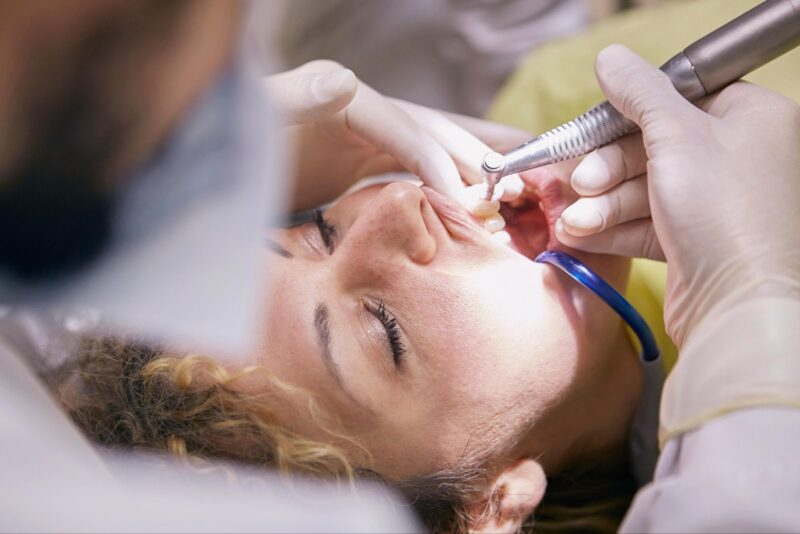
When you’re faced with a missing tooth, a single tooth dental implant may be your best clinical option. Unlike traditional bridges, implants don’t compromise adjacent teeth, maintaining their integrity and function. They help prevent bone resorption, a common issue post-extraction. This option offers a biomechanical advantage by mimicking natural tooth roots, enhancing masticatory function and esthetics. Understanding the wide-ranging benefits of implants could reshape your approach to oral health restoration. Curious about how this impacts long-term outcomes?
Understanding What a Dental Implant Is
Dental implants, although often misunderstood, are a sophisticated solution in dental restoration that serve as artificial roots to support prosthetic teeth. They consist of a three-part implant structure: the implant body, abutment, and prosthetic crown. The implant body, typically a titanium screw, is surgically inserted into the jawbone, promoting osteointegration—a process where bone cells attach to the implant, ensuring stability.
The choice of implant materials is pivotal for success. Titanium is favored due to its biocompatibility and ability to fuse with bone. In some cases, zirconia is used for its aesthetic and non-metallic properties. Understanding these components and their functions is essential for evaluating dental implant suitability and long-term outcomes. You’ll find that implants offer durability unparalleled by other dental restorations.
Comparing Dental Implants With Bridges
When you’re considering dental implants versus bridges, you’ll need to evaluate both longevity and durability. Clinical studies have shown that dental implants typically offer superior longevity, often lasting a lifetime with proper care, while bridges may require replacement every 7-10 years. Additionally, implants have a favorable impact on oral health by preserving jawbone density and adjacent teeth integrity, unlike bridges that may lead to potential bone resorption and require alteration of surrounding teeth.
Longevity and Durability
Although dental restorations serve essential purposes, understanding their longevity and resilience is imperative for informed decision-making. A single tooth dental implant typically offers superior strength and resilience compared to dental bridges. Dental implants integrate with the jawbone, providing long-term functionality that bridges can’t match. Over time, bridges may compromise adjacent teeth due to the need for support from neighboring structures, potentially diminishing their strength and resilience. For those seeking the most reliable solution, exploring the best single tooth dental implants can ensure optimal outcomes for both function and aesthetics
In contrast, implants stand independently, maintaining structural integrity and enduring wear without relying on surrounding teeth. Studies indicate that dental implants boast a success rate exceeding 95% over ten years, underscoring their long-term functionality. As you weigh your options, consider the longevity and durability benefits of implants, ensuring a lasting, reliable restoration.
Oral Health Impact
As you consider the benefits of durability, it’s also important to evaluate the oral health implications of dental implants versus bridges. Implants offer superior oral health maintenance by preventing bone resorption, a common issue with bridges. Unlike bridges, implants don’t require altering adjacent teeth, preserving their integrity. They also contribute to improved dental function by mimicking natural tooth roots, providing stability and efficient mastication. In contrast, bridges can lead to gum recession and increased plaque accumulation, affecting long-term oral health.
- Bone Preservation: Implants prevent jawbone deterioration, maintaining facial structure.
- Adjacent Teeth Integrity: No need to compromise healthy teeth as with bridges.
- Gum Health: Implants reduce the risk of gum disease compared to bridges.
- Functional Efficiency: Implants enhance chewing efficiency and speaking clarity.
Considering the Impact on Adjacent Teeth
When considering dental implants, you’re prioritizing the preservation of natural tooth structure, unlike traditional bridges that require the alteration of adjacent teeth. Evidence underscores that implants prevent teeth shifting, maintaining occlusal balance and dental function. By choosing implants, you’re mitigating the risk of maladaptive changes in your dental arch.
Preserving Natural Tooth Structure
Preserving the natural tooth structure is pivotal when considering the placement of dental implants, especially with respect to the impact on adjacent teeth. When you opt for a dental implant, you’re enhancing tooth preservation and minimizing tooth damage. Unlike traditional bridges, implants don’t require the alteration of neighboring teeth, maintaining their integrity and promoting long-term oral health. By reducing the need to reshape adjacent teeth, dental implants offer a superior alternative that supports the preservation of natural dentition.
Key benefits include:
- Conservation of adjacent tooth enamel: Implants don’t compromise the protective layers of nearby teeth.
- Reduced risk of caries: Maintaining natural structures limits caries development.
- Long-term stability: Preserved teeth are less prone to complications.
- Optimal functionality: Implants guarantee effective mastication without impacting adjacent teeth.
Preventing Teeth Shifting
While dental implants play a significant role in preserving natural tooth structure, they also address the issue of preventing teeth shifting—an outcome that can occur when a tooth is missing. The loss of a tooth creates a gap, leading to potential movement of adjacent teeth into this space. This shift may compromise occlusal alignment and periodontal health. By opting for a single tooth dental implant, you achieve tooth movement prevention, ensuring adjacent tooth stabilization. The implant acts as an artificial root, maintaining spatial integrity and preventing detrimental dental migration. Clinical studies highlight implants’ efficacy in safeguarding against malocclusion and maintaining alveolar bone density. Consequently, the strategic placement of a dental implant effectively mitigates the risk of adjacent teeth instability, promoting overall oral health.
Evaluating Long-Term Oral Health Benefits
Evaluating the long-term oral health benefits of dental implants reveals significant advantages in maintaining oral function and aesthetics. You’ll find that implants facilitate improved oral hygiene due to their natural integration into the oral cavity, allowing for easier cleaning compared to traditional bridges. Enhanced chewing ability is another key benefit, as implants provide a stable and robust foundation that mimics the natural tooth structure, ensuring efficient mastication and nutrient absorption. The biocompatibility and durability of dental implants contribute to their success, offering a lasting solution that minimizes the risk of future dental complications. Consider the following advantages:
- Improved oral hygiene with easy maintenance
- Enhanced chewing ability for better digestion
- Natural aesthetics supporting self-esteem
- High durability reducing need for replacements
Examining the Role of Implants in Jawbone Preservation
When it comes to maintaining jawbone integrity, dental implants play a pivotal role due to their osteointegration capabilities. This process involves the fusion of the implant with the bone, which is indispensable for bone density improvement. By mimicking the root structure of a natural tooth, implants stimulate the jawbone, preventing resorption and maintaining its volume. Ridge preservation techniques further enhance this benefit by providing a stable environment for the implant, ensuring ideal bone regeneration. Scientific studies underscore these findings, demonstrating significant preservation of alveolar ridge dimensions post-implantation. Consequently, opting for a dental implant not only replaces a missing tooth but also supports the structural integrity of your jaw, offering a robust solution for long-term oral health.
Assessing Aesthetic Advantages of Implants
Dental implants offer significant aesthetic advantages, serving as an ideal choice for tooth replacement due to their ability to closely replicate the appearance of natural teeth. They contribute to enhanced facial aesthetics and smile harmony by maintaining the natural contour of the jawline and preventing bone resorption. A single tooth implant can seamlessly blend with adjacent teeth, providing a natural and symmetrical appearance.
Consider these benefits of dental implants for aesthetic enhancement:
- Improved facial aesthetics: They support the facial structure, preventing the sunken appearance often associated with tooth loss.
- Smile harmony: Implants are custom-designed to match the color and shape of your existing teeth.
- Long-term stability: Unlike dentures, implants don’t shift, ensuring consistent aesthetics.
- Natural feel and function: They mimic the function of natural teeth, enhancing overall comfort.
Identifying Ideal Candidates for Dental Implants
Who makes an ideal candidate for dental implants? First, dental implant suitability relies on having a healthy jawbone capable of osseointegration, a process where the implant fuses with the bone. You’ll need sufficient bone density and volume for stability. Ideal patient characteristics include good oral hygiene practices and non-smoking status, as these factors enhance the implant’s longevity. Additionally, candidates should be free from chronic conditions like uncontrolled diabetes, which may impede healing. It’s essential you’re committed to regular dental check-ups, ensuring long-term success. Evidence suggests that patients with these traits experience higher implant survival rates. If you meet these criteria, dental implants may offer a paramount solution for tooth replacement, restoring function and aesthetics effectively.
Weighing the Cost-Benefit Analysis
While identifying ideal candidates is fundamental, evaluating the cost-benefit ratio of dental implants is equally significant. A detailed analysis involves understanding financing options and cost considerations. Dental implants offer long-term durability and functional benefits, but upfront costs can be substantial. It’s essential to weigh these costs against the potential for improved oral health and quality of life.
Consider the following:
- Long-term savings: Implants may reduce future dental expenses by preventing bone loss and maintaining dental alignment.
- Insurance coverage: Investigate your dental insurance policy for potential coverage or partial reimbursements.
- Payment plans: Many dental practices offer financing options to spread the cost over manageable installments.
- Value of investment: Consider the enhancement in aesthetics and oral function as a valuable investment in your overall health.
Exploring the Implant Procedure and Recovery
How exactly does the dental implant procedure unfold, and what should you anticipate during recovery? Initially, the implant placement considerations involve evaluating bone density and gum health to guarantee paramount osseointegration. A titanium post is inserted into the jawbone, acting as the tooth root. Anesthesia and comfort are prioritized, utilizing local anesthesia to minimize discomfort, allowing you to remain relaxed throughout the procedure.
Post-surgery, mild swelling and soreness are typical, but manageable with prescribed analgesics. It’s indispensable to adhere to postoperative instructions, including soft diet recommendations and maintaining oral hygiene. The osseointegration phase, where bone fuses with the implant, lasts several months. Regular follow-ups allow the clinician to monitor healing, ensuring the implant integrates successfully and functions effectively as a natural tooth.
Reviewing Patient Success Stories and Testimonials
When considering dental implants, you’ll find numerous patient success stories highlighting transformative smile journeys and the profound impact on self-esteem. These testimonials frequently emphasize the implant’s ability to restore masticatory function and enhance social confidence. Examining these narratives provides evidence-based insights into the life-changing benefits and psychological improvements experienced by individuals post-implantation.
Transformative Smile Journeys
As dental implants continue to revolutionize oral health solutions, their impact on patients’ lives extends far beyond functional benefits. Many individuals commence on transformative smile journeys that highlight the profound effects of personalized treatment plans and holistic dental care. These success stories demonstrate significant improvements in self-esteem and quality of life. When considering a single tooth dental implant, you can expect:
- Enhanced oral functionality: Improved chewing and speech capabilities.
- Aesthetic restoration: Seamless integration with existing teeth for a natural look.
- Long-term stability: Durable and resilient solutions for tooth loss.
- Holistic approach: Inclusive care addressing overall oral health.
Implant Confidence Boosts
The transformative smile journeys of dental implant recipients often culminate in stories of renewed confidence and satisfaction. Reviewing patient testimonials reveals the profound confidence boosting benefits of single tooth implants. You’ll find that patients frequently report significant self assurance enhancement following their procedures. This is largely due to the implant’s ability to mimic natural tooth anatomy, offering both functional and esthetic improvements. The osseointegration process guarantees stability, which supports optimal mastication and phonetics. Additionally, replacing a missing tooth prevents alveolar bone resorption, maintaining facial structure integrity. Such clinical outcomes foster not just oral health, but also reinforce psychological well-being. As you explore these success stories, the consistent theme is clear: dental implants offer a transformative leap in personal confidence.
Life-changing Dental Solutions
Patient narratives reveal the profound impact of dental implants as life-changing solutions. You’ll find that these state-of-the-art interventions not only provide bite restoration but also enhance your smile, transforming both function and aesthetics. Patients consistently report significant improvements in their quality of life post-implant. Consider the following success stories:
- Functional Restoration: Achieving ideal bite alignment, thereby reducing discomfort and preventing further oral health issues.
- Aesthetic Transformation: Patients experience a dramatic smile enhancement, boosting self-esteem and social confidence.
- Long-term Stability: Dental implants offer a durable solution that integrates seamlessly with natural bone, ensuring longevity and reliability.
- Enhanced Oral Health: Implants prevent bone resorption and maintain facial structure, benefiting overall oral health and appearance.
These testimonials underscore the transformative power of dental implants in everyday life.
Frequently Asked Questions
How Long Does a Single Tooth Dental Implant Last?
A single tooth dental implant typically lasts 15-25 years, depending on implant lifespan expectancy and maintenance requirements for longevity. Guarantee you follow rigorous oral hygiene practices and attend regular dental check-ups to maximize the implant’s durability.
Can a Single Tooth Implant Fail?
Yes, a single tooth implant can fail. Factors like implant material considerations and poor dental hygiene profoundly impact success rates. Ensuring quality materials and maintaining exceptional oral hygiene are essential for long-term implant stability and functionality.
What Are the Dietary Restrictions After Implant Surgery?
You’ll need to focus on soft food consumption initially, avoiding hard or crunchy textures. Gradual return to normal diet is advised. This approach minimizes trauma, promoting ideal healing and implant integration, based on evidence-based clinical guidelines.
Are There Any Risks of Infection With Dental Implants?
Yes, there’s a risk of peri-implantitis with dental implants. Proper implant maintenance, including regular dental check-ups and meticulous oral hygiene, is vital to minimize this risk. Evidence shows that inadequate care can lead to infection and implant failure.
How Soon Can I Return to Work After Getting an Implant?
You can typically return to work within 1-3 days post-implant, depending on your healing timeline. Recovery expectations include some swelling and discomfort, but most patients resume normal activities quickly, provided they follow post-operative care instructions diligently.