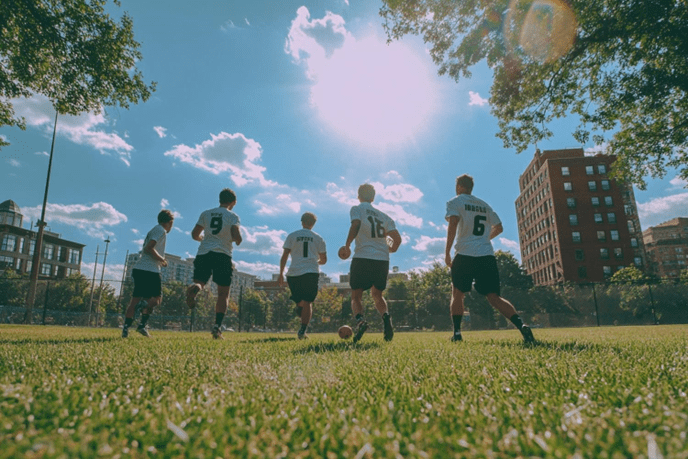
On Friday nights, the spotlight falls on the field. Stadium lights glow, the stands fill with families and friends, and the focus is on the players, every pass, every tackle, every moment that defines the game.
But what often goes unnoticed is everything that makes those moments possible.
Behind every high school team is a network of local businesses, suppliers, and specialists working quietly to ensure that athletes are equipped, prepared, and able to perform. From uniforms and equipment to logistics and branding, these contributions form the foundation of local sports programs.
The Hidden Infrastructure of School Athletics
Running a high school sports program is more complex than it appears. Beyond coaching and training, there is a constant need for equipment, maintenance, and organization.
Teams require helmets, pads, jerseys, training gear, and replacement parts throughout the season. These needs are not one-time purchases but ongoing demands that require reliable sourcing and efficient delivery.
This is where suppliers play a crucial role. Businesses like Supply Link USA provide access to essential equipment and materials, helping schools maintain consistency and readiness throughout the season.
Without dependable supply networks, even well-organized programs can struggle to keep up with the physical demands of competitive sports.
Logistics: The Backbone of Consistency
Consistency is one of the defining characteristics of successful teams. Players need access to the right equipment at the right time, and delays or shortages can disrupt training schedules and performance.
Logistics, though often overlooked, is a critical part of this process. Coordinating orders, managing inventory, and ensuring timely delivery all contribute to how smoothly a season runs.
For schools operating within tight budgets, efficiency matters even more. Reliable suppliers help reduce uncertainty, allowing coaches and administrators to focus on athlete development rather than operational challenges.
This level of support becomes especially important during peak seasons, when demand increases and timelines become tighter.
Equipment as a Performance Factor
The quality of equipment directly impacts both safety and performance. Helmets, in particular, are among the most important pieces of gear in football programs.
Properly maintained and well-fitted helmets not only protect players but also contribute to confidence on the field. When athletes trust their equipment, they can focus more fully on the game itself.
Beyond safety, equipment also influences how teams present themselves. Uniforms, colours, and design elements all play a role in creating a sense of identity.
The Importance of Team Identity
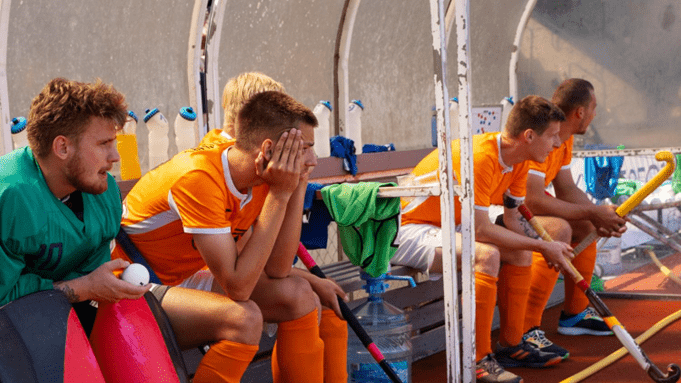
Team identity goes beyond performance. It shapes how players see themselves and how they are perceived by others.
Visual elements, logos, colours, and uniform design, create a sense of unity and pride. For players, wearing a helmet that reflects their team’s identity can be a powerful motivator.
This is where customization becomes important. Tools like a custom football helmet decal designer allow teams to create designs that reflect their character, history, and community.
These details may seem small, but they contribute to a larger sense of belonging. When players feel connected to their team’s identity, it often translates into stronger cohesion and commitment.
Community Support and Local Impact
High school sports are deeply rooted in the community. Games bring people together, creating shared experiences that extend beyond the field.
Local businesses play an essential role in sustaining this ecosystem. By providing equipment, services, and support, they help ensure that programs remain accessible and competitive.
This relationship is mutually beneficial. Schools gain reliable partners, while businesses become part of the community narrative. Their contributions, though often behind the scenes, have a visible impact on the success of local teams.
The Economic Side of School Sports
Sports programs also have an economic dimension. Equipment purchases, maintenance, and event operations all contribute to local business activity.
According to the National Federation of State High School Associations, millions of students participate in high school athletics each year, creating a significant demand for equipment and related services.
This demand supports a wide range of businesses, from suppliers and manufacturers to designers and logistics providers.
Understanding this ecosystem highlights how interconnected local sports programs are with the broader economy.
Adapting to Modern Expectations
Today’s sports programs face new challenges and expectations. Safety standards continue to evolve, requiring updated equipment and regular inspections. At the same time, there is growing emphasis on branding and presentation, particularly as teams share their achievements on social media.
These changes increase the need for specialized support. Schools must balance tradition with innovation, ensuring that they meet modern standards while maintaining their identity.
Local businesses that can adapt to these needs become valuable partners in the long term.
More Than Just a Game
For players, sports are about more than competition. They are about growth, discipline, and teamwork. The environment in which these experiences take place matters.
Reliable equipment, strong team identity, and consistent support all contribute to creating that environment. While these elements may not always be visible during the game, they play a critical role in shaping the overall experience.
When the final whistle blows and the crowd begins to disperse, it is easy to focus on the outcome of the game. But the true story of high school sports extends far beyond the scoreboard.
It includes the suppliers who ensure that equipment is ready, the designers who help define team identity, and the local businesses that support programs throughout the season.
Behind every successful team is a network of people and organizations working together. Their contributions may not always be visible, but they are essential.
And in many ways, they are what make the game possible.