By Naveen Athrappully
Contributing Writer
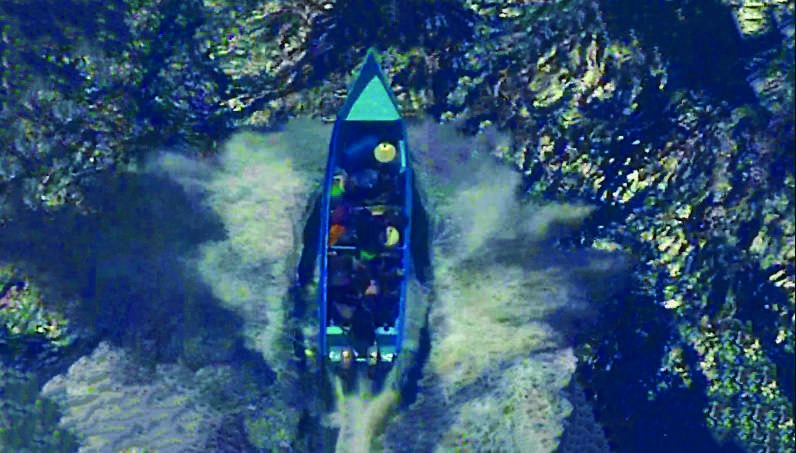
U.S. authorities stopped three Go-Fast vessels in the Eastern Pacific in a single day, seizing thousands of pounds of narcotics.
The operation was conducted by Joint Interagency Task Force South, U.S. Southern Command, and forces from Panama. In total, 284 pounds of cocaine and 2,016 pounds of marijuana were seized, with nine suspects being detained, JIATF South said in a Friday post on X, adding that the operation delivered a “massive blow to illicit trafficking.”
In a Sunday post on X, Southern Command said, “Another success of the Americas Counter Cartel Coalition. Together, we are applying total systemic friction on the cartels.”
The coalition was established by the U.S. secretary of war and has 17 member nations from the Western Hemisphere that have committed to “operationalize hard power” for counteracting cartels and transnational gangs in the region, according to a March 7 proclamation issued by U.S. President Donald Trump.
In another operation, Immigration and Customs Enforcement’s Homeland Security Investigations, the Coast Guard, and other federal agencies seized 500 pounds of cocaine worth about $6.4 million from a crude oil tanker in the port of Los Angeles, the Department of Homeland Security said in a Friday statement.
“This operation highlights Homeland Security Investigations’ unwavering commitment to combating transnational crime and safeguarding the United States from illicit narcotics,” HSI Los Angeles Special Agent in Charge Eddy Wang said.
“We remain dedicated to pursuing those who attempt to exploit our ports and transportation systems, and to working with our partners to disrupt criminal organizations that threaten public safety.”
Last year, HSI seized more than 917,000 pounds of cocaine. The agency has also accelerated its counternarcotics operations focused along America’s southern border. In 2025, the Coast Guard took custody of more than 511,000 pounds of cocaine, which is more than three times the agency’s annual average, DHS said.
The Trump administration has taken a stringent stance against drug trafficking. In its April 2025 statement on Drug Policy Priorities, the White House said that the administration will “hold accountable those responsible for exacerbating the flow of drugs within our borders.”
“We will develop bold policy choices, employ innovative and sophisticated technology, and create a skilled, recovery-ready workforce to combat this crisis and ensure the safety of all Americans,” it said.
Treasury Sanctions, Mexico Assistance
While various agencies target drug shipments coming into the United States, the U.S. Department of the Treasury has taken action against those who facilitate such trade.
On May 20, the Treasury’s Office of Foreign Assets Control announced sanctions against more than a dozen individuals and entities linked to Mexico’s Sinaloa cartel and its fentanyl trafficking operations. The cartel was designated as a foreign terrorist organization by the United States last year.
“Treasury will continue to target terrorist cartels and their fentanyl trafficking networks to protect our communities and keep America safe,” Treasury Secretary Scott Bessent said at the time.
A group of bipartisan legislators introduced the Mexico Security Assistance Accountability Act, which requires the State Department to develop a strategy aimed at dismantling drug cartels in Mexico, according to a May 15 statement from the office of Sen. Dave McCormick, R-Pa.
The strategy must focus on the U.S. assistance provided to Mexico against the cartels, ensuring that such aid delivers “the best return on investment for taxpayers,” the statement said. It must include priorities to focus on, milestones to be achieved, and performance indicators that will allow for monitoring and evaluating the results of American assistance.
“For far too long, the Mexican drug cartels have poisoned communities in Pennsylvania and across the country with deadly fentanyl, killing more than 4,000 Pennsylvanians each year,” McCormick said.
“We need a clear strategy to dismantle the cartels that has real accountability and metrics for success, so we know security cooperation is actually achieving results. I look forward to working with the administration on this common-sense approach to saving American lives.”