By Matthew Vadum
Contributing Writer
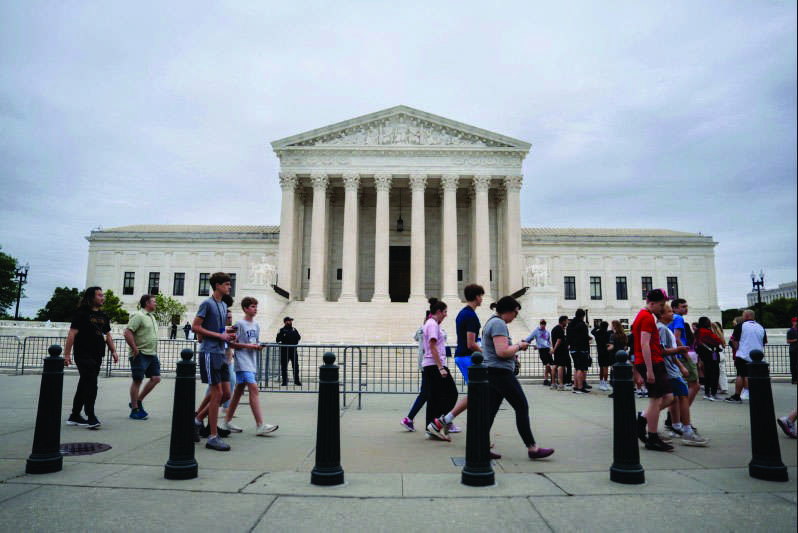
The U.S. Supreme Court ruled on Tuesday that Exxon Mobil may sue state-owned companies in Cuba over its energy-related assets that were seized in 1960.
The case is Exxon Mobil v. Corporacion Cimex, which the justices heard on Feb. 23.
Justice Brett Kavanaugh wrote the majority opinion.
Justices Elena Kagan, Sonia Sotomayor, and Ketanji Brown Jackson dissented.
The case focuses on the 1996 Cuban Liberty and Democratic Solidarity Act, created to pressure Cuba by penalizing companies “trafficking” in property Cuba seized from U.S. interests. Also known as the Helms-Burton Act, the law allows U.S. citizens and companies to sue any person who traffics in, uses, or profits from the confiscated property.
Cuba’s late dictator Fidel Castro overthrew the former government in 1959 and turned Cuba into a one-party state in which socialist policies were implemented, including nationalization of assets of foreign businesses.
Parties had been unable to sue Cuban government-owned enterprises under the act because U.S. President Bill Clinton suspended Title III, the part of the law allowing compensation lawsuits to be filed. President Donald Trump revoked the suspension on May 2, 2019, and Exxon Mobil sued the same day.
Exxon Mobil, which was previously known as Standard Oil Co., seeks compensation from three Cuban government-owned companies for energy assets seized in 1960.
In 2024, a divided U.S. Court of Appeals for the District of Columbia Circuit ruled that the Foreign Sovereign Immunities Act presents an additional hurdle for lawsuits against Cuban entities. That court held that Title III claims may proceed against Cuban entities only if the lawsuit falls under an exception in the FSIA. That act generally forbids lawsuits against foreign governments, but allows suits involving commercial activities or property seized in violation of international law.
The appeals court ruled that when the district court considered the case, it failed to properly analyze whether the commercial activities exception applied and sent the case back to that court for further consideration.