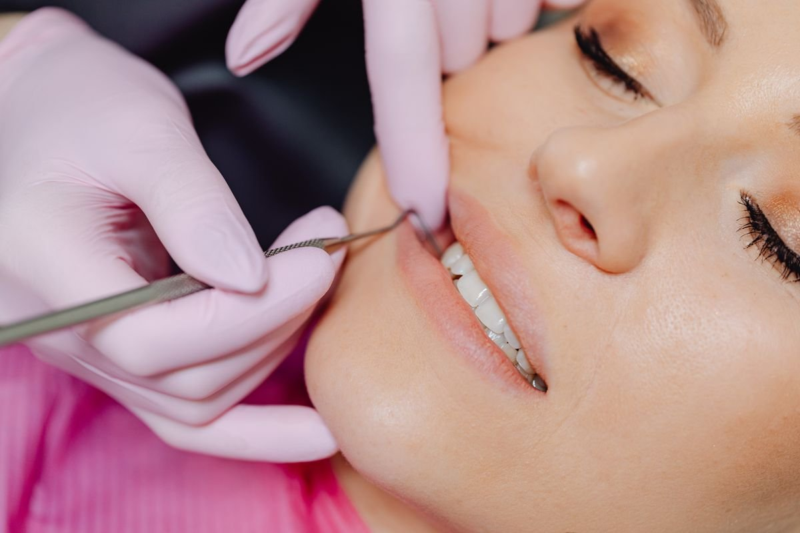
If your dentist has recently mentioned that you may need gum disease treatment, you might be wondering why it’s such a big deal. After all, a little bleeding when you brush isn’t that serious — or is it? The truth is, gum disease is one of the most common yet most underestimated oral health conditions affecting adults today. Understanding why your dentist recommends periodontal treatment in Oak Lawn and what happens if you leave it untreated can make all the difference for your long-term health.
What Is Gum Disease?
Gum disease, also known as periodontal disease, is a bacterial infection that affects the tissues surrounding and supporting your teeth. It typically begins as gingivitis — a mild inflammation of the gums — and can progress to periodontitis, a more severe form that damages the bone and connective tissue holding your teeth in place.
The primary cause of gum disease is plaque, a sticky film of bacteria that constantly forms on your teeth. When plaque isn’t removed through regular brushing and flossing, it hardens into tartar, which can only be removed by a dental professional. Over time, the bacteria in plaque and tartar trigger an inflammatory response that gradually destroys gum tissue and bone.
Common Signs of Gum Disease
- Red, swollen, or tender gums
- Bleeding when brushing or flossing
- Persistent bad breath
- Receding gums or teeth that appear longer than usual
- Loose or shifting teeth
- Painful chewing
- Pus between teeth and gums
Many people are surprised to learn they have gum disease because the early stages are often painless. This is exactly why routine dental visits are so important — your dentist can detect the early warning signs before you’re even aware of them.
Why Dentists Take Gum Disease Seriously
Your dentist isn’t trying to alarm you when they recommend periodontal treatment in Oak Lawn. They’re acting in your best interest based on a clear understanding of how gum disease progresses and the serious consequences it can have — both inside and outside your mouth.
Tooth Loss Is a Real Risk
Periodontal disease is the leading cause of tooth loss in adults. As the infection deepens below the gumline, it destroys the bone that anchors your teeth. Once enough bone is lost, even healthy-looking teeth can become loose and eventually need to be extracted. Catching and treating gum disease early is the most effective way to preserve your natural teeth for life.
The Connection Between Gum Disease and Overall Health
Research has established strong links between periodontal disease and several systemic health conditions. Untreated gum disease has been associated with:
- Heart disease and stroke — The bacteria from infected gums can enter the bloodstream and contribute to arterial inflammation.
- Diabetes — Gum disease can make blood sugar harder to control, and high blood sugar can worsen gum disease in return.
- Respiratory issues — Bacteria from the mouth can be inhaled into the lungs, potentially worsening conditions like pneumonia or COPD.
- Pregnancy complications — Periodontal disease has been linked to preterm birth and low birth weight.
- Alzheimer’s disease — Some studies suggest a potential connection between oral bacteria and cognitive decline.
Your mouth is the gateway to your body, and what happens in your gums doesn’t stay in your gums. Treating periodontal disease is not just about keeping your smile intact — it’s about protecting your overall well-being.
What Does Periodontal Treatment Involve?
One of the most common misconceptions about gum disease treatment is that it’s painful or extensive. In reality, modern periodontal treatment in Oak Lawn has come a long way, and many patients are surprised at how manageable the process is.
Scaling and Root Planing
The most common non-surgical treatment for gum disease is scaling and root planing, sometimes called a deep cleaning. During this procedure, your dental hygienist or periodontist carefully removes plaque and tartar from above and below the gumline (scaling) and then smooths the root surfaces of the teeth (root planing) to help the gums reattach and to prevent bacteria from sticking in the future. Most patients experience minimal discomfort and notice improvement in their gum health within a few weeks.
Antibiotic Therapy
In some cases, your dentist may recommend antibiotic therapy to help eliminate the bacteria causing the infection. This can include topical antibiotics placed directly into the gum pockets or oral antibiotics to address more widespread infections.
Surgical Options
For more advanced cases of periodontal disease, surgical intervention may be necessary. Procedures such as flap surgery (to reduce gum pockets), bone grafting, and soft tissue grafts can help restore the structures damaged by the disease. Your dentist will only recommend surgery when non-surgical approaches are unlikely to be sufficient.
If you’re unsure where to start or want to learn more, exploring the available treatment options for gum disease at a trusted local dental office can help you understand what to expect and which approach is right for your specific situation.
What Happens If You Ignore Your Dentist’s Recommendation?
Skipping or delaying periodontal treatment might seem harmless in the short term, especially if you’re not in pain. But gum disease is progressive — it doesn’t resolve on its own, and it will continue to worsen without professional intervention.
Delaying treatment can lead to:
- Deeper gum pockets that are harder to clean and treat
- Irreversible bone loss around the roots of your teeth
- Tooth mobility and eventual tooth loss
- The need for more complex and costly restorative procedures like implants or dentures
- Increased risk of systemic health complications
What starts as a straightforward deep cleaning can become a much more involved treatment plan if left unaddressed. Acting sooner rather than later is always the smarter — and more affordable — choice.
How to Maintain Healthy Gums After Treatment
Periodontal treatment doesn’t end when you leave the dental office. Keeping your gums healthy requires a long-term commitment to good oral hygiene and regular professional care. Your dentist may recommend more frequent cleanings — typically every three to four months instead of every six — to monitor your gum health and prevent recurrence.
At home, focus on these daily habits:
- Brush at least twice a day with a soft-bristled toothbrush
- Floss daily to remove plaque from between teeth and along the gumline
- Use an antimicrobial mouthwash if recommended by your dentist
- Quit smoking — tobacco use is a major risk factor for gum disease recurrence
- Maintain a healthy diet low in sugar and processed foods
- Keep up with all scheduled periodontal maintenance appointments
Take Your Dentist’s Advice Seriously
When your dentist recommends periodontal treatment in Oak Lawn, it’s not a suggestion to take lightly. Gum disease is a serious, progressive condition that can affect not just your smile, but your overall health and quality of life. The good news is that with timely treatment and a consistent maintenance routine, gum disease can be effectively managed — and in its early stages, even reversed.
Don’t wait until symptoms become severe. Talk to your dentist today, ask questions, and take the first step toward healthier gums and a healthier you. Your future self will thank you for it.