
A block near the ocean comes with the outlook most people buy it for, and with three forces that work on a house every day: salt in the air, wind off the water and sand underfoot. None of them rules out a beautiful coastal home. They do change the materials, the structure and the plan, and they cost far less to design for than to repair.
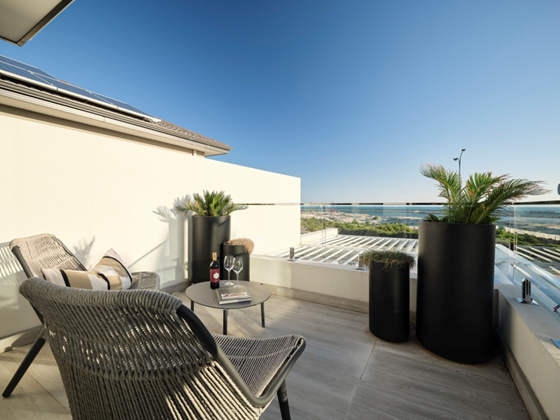
Salt: specify for the exposure
Salt-laden air corrodes metal faster than inland air, and the effect is strongest closest to the breaking surf. Makers of roofing, window frames, coatings and fixings rate their products for different levels of coastal exposure, and their warranties often depend on how far the home is from the water. Check the product information against your actual lot, not just the suburb.
A few principles hold for most coastal builds:
- Use 316 grade stainless steel, often called marine grade, for exposed fixings, balustrade hardware, hinges and handles.
- Keep dissimilar metals apart. When two different metals touch in damp, salty conditions, one of them can corrode much faster than it would on its own.
- Specify powder coating and anodising to a coastal standard, and keep the touch-up paint.
- Watch the sheltered spots. The undersides of eaves and balconies, which rain never rinses, collect salt and often corrode first.
Simple maintenance does a great deal. Hosing glass, frames and fittings with fresh water removes the salt before it can do its work.
Wind: rated from the ground up
Houses are designed for a wind classification worked out for the site, based on its region, the surrounding terrain, how much shelter nearby buildings give, and the topography. Exposed coastal lots, and those on high ground, often sit in the higher classes. That affects the roof tie-downs, the bracing, the window and door ratings and the fixing of glass balustrades.
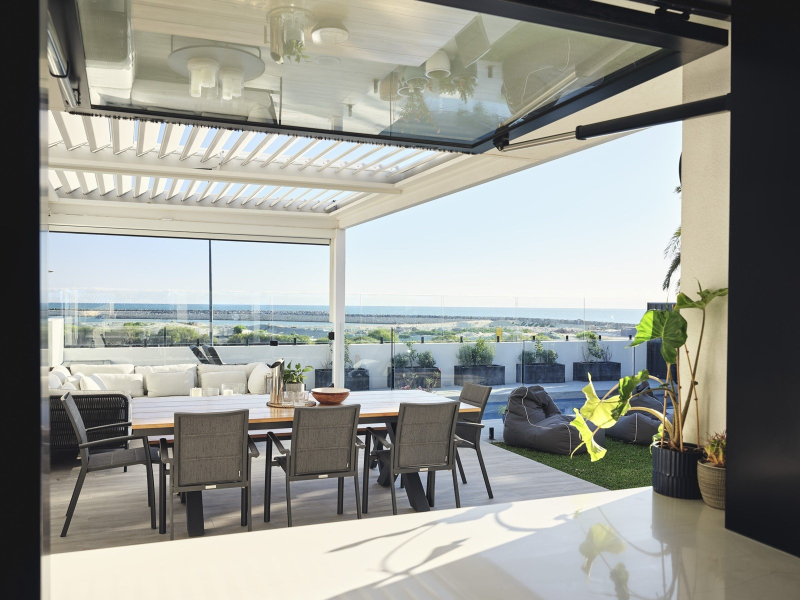
Wind also shapes how the home is used. Large sliding doors on an exposed face need to keep out wind-driven rain. Entries work better on the sheltered side. Balconies and outdoor rooms facing the water may need glass screens, operable louvres or a solid side wall to be comfortable on a blustery afternoon.
The sea breeze: plan for it
Perth’s afternoon sea breeze is one of the city’s great assets, and a coastal home can put it to work. Openings on opposite sides of the house let the breeze flush heat out of the rooms. A courtyard or alfresco on the lee side stays usable when the breeze is strong, while a balcony facing into it becomes the place to cool down.
The same direction often brings the hot western sun. Glass facing the ocean needs shading that leaves the view clear: deep eaves or balcony roofs, external blinds and louvres, and glazing chosen for how well it controls heat. At a three storey home in North Fremantle, covered balconies are arranged to catch both the outlook and the afternoon breeze.
Sand: footings and site works
Coastal suburbs mostly sit on dune sand. It drains quickly and makes a sound base once it has been compacted properly. Where limestone lies just below the sand, digging and footings get harder, and dune slopes often call for retaining. A geotechnical site classification before the design is finalised tells the engineer what to plan for.
Sand also moves during construction. On a windy site, exposed sand blows onto neighbours, roads and fresh work, so dust control and stabilising the site matter. Once the house is finished, coastal planting helps hold the ground in place. Free-draining sand suits soakwells, the usual way Perth homes keep stormwater on their own lot.
Coastal setbacks and planning
In Western Australia, State Planning Policy 2.6, the State Coastal Planning Policy, guides where development is located so that it allows for coastal erosion and inundation over time. How it applies depends on the lot and how close it sits to the shore, and some councils have coastal vulnerability studies under way that may affect lots near the coast.
Local rules sit on top. In the western suburbs, coastal planning areas cover parts of City Beach, Swanbourne, Cottesloe and Mosman Park, and guides from home builders in Perth’s western suburbs can help you see how those overlap with each council’s own controls.
Ask for coastal evidence
When you talk to builders, ask to see homes they have finished near the water and how the materials have held up. Ask which grade of stainless they specify, how they handle wind ratings for glazing, and what maintenance they recommend after handover. Trendsetter Homes, for example, lists coastal homes in Ocean Reef, Marmion and North Fremantle among the projects on its website, https://trendsetterhomes.com.au.
A short checklist for any coastal design:
- the exposure rating each external product needs for your lot
- the wind classification, and how it affects windows, doors and balustrades
- shading on the ocean side that does not block the view
- a sheltered outdoor room for the windiest afternoons
- a maintenance routine you are willing to keep
Designing for the conditions
On the coast, the right materials do much of the maintenance for you. Chosen at the design stage, they turn salt, wind and sand into conditions the house was built for, rather than problems it has to survive.