By Bill Pan
Contributing Writer
American Airlines has joined a growing list of major carriers raising baggage fees as the industry looks for ways to offset jet fuel costs driven up by the war in the Middle East.
The Fort Worth, Texas-based carrier said on Thursday that it was increasing checked-bag charges and tightening some basic economy perks after what it described as a “continuing evaluation of pricing in light of the current operating environment.”
Starting with tickets booked on Thursday, American raised the fee for a first checked bag on domestic and select short-haul international flights by $10 to $50, while a second checked bag will now cost $60, the company said.
Customers who pay through American’s website or app will still receive a $5 discount, bringing those prices to $45 and $55, respectively. The carrier also raised the fee for a third checked bag by $50 to $200.
Basic economy passengers will face steeper charges. For tickets purchased on or after May 18, travelers in that fare class will pay $55 for a first checked bag and $65 for a second, though the $5 prepayment discount will still apply for bags paid online or through the app.
American also said that beginning May 18, basic economy passengers will have to pay to select a seat and will no longer be eligible for complimentary or systemwide upgrades. Premium-cabin passengers and customers whose benefits already include free checked bags will not be affected.
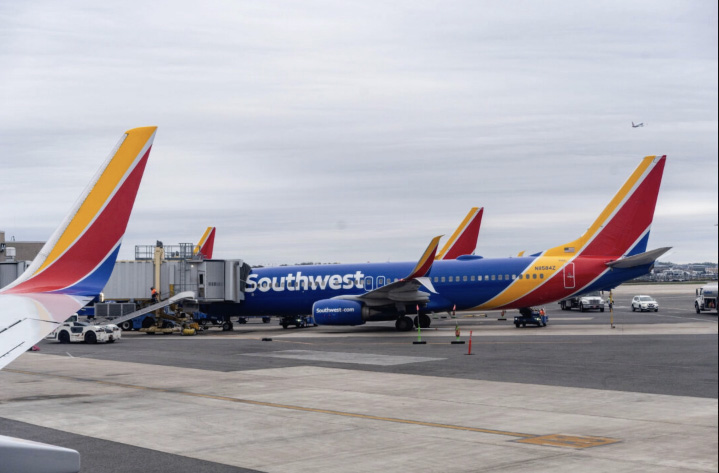
American’s move follows similar fee increases by JetBlue, United Airlines, Delta Airlines and Southwest Airlines as carriers grapple with a surge in fuel costs since the United States and Israel went to war with Iran.
Jet fuel is airlines’ second-biggest cost, coming after labor. According to the International Air Transport Association, jet fuel prices have nearly doubled since late February when the joint strikes began and Iran started targeting oil tankers in the Strait of Hormuz in retaliation.
A two-week ceasefire agreement reached on Tuesday has dramatically pushed down crude benchmarks, but it’s unclear how long that relief will last for airlines and other energy-intensive industries.
American’s changes also reflect a longer-term industry shift. Major U.S. airlines have spent years reshaping their cabins and pricing models to emphasize higher-yield travelers who are willing to pay more for added comfort and flexibility.
As part of that strategy, carriers including American, Delta and United have increasingly leaned on premium seating, tighter basic economy rules, and added fees to boost revenue, betting that selling fewer seats at higher yields can be more profitable than packing more passengers into standard economy.