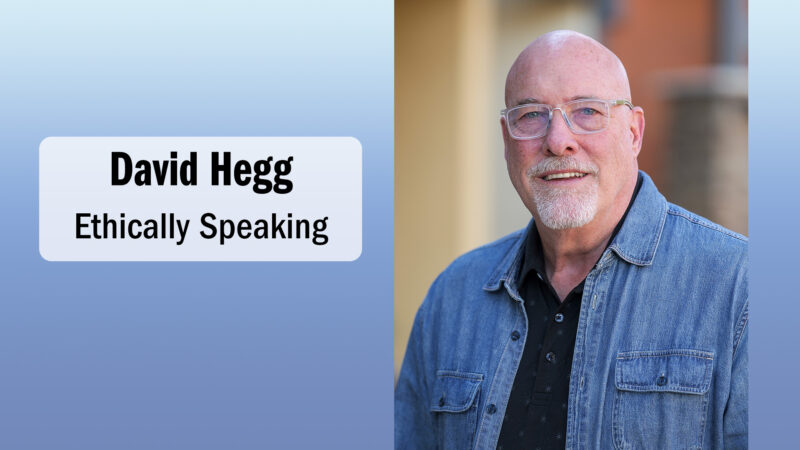
By David Hegg
As I write this, the conflict in the Middle East continues to both raise and dash our hopes. We hear optimistic declarations and see oil prices fall, then, overnight, hostilities resume, prices rise and the volume of our national whining goes up several decibels. This incessant whining is a symptom of a deeper and more devastating moral cancer that has reached epidemic proportions in our nation. We’ve lost our ability to suffer well in the right way for the right reason.
In one of the most beautiful yet poignant TV series available today, Taylor Sheridan’s “The Madison” confronts the reality that progressive urbanization, with its modern advances and technological benefits, has led too many of us to believe life should be comfortable, convenient and easy. Kurt Russell, a husband who loves spending time in his Montana fishing cabin on the Madison River, tells Michelle Pfieffer, his wife living the plush life in New York City, “You’ve allowed your conveniences to become your essentials.” While I won’t give away how Sheridan unfolds his underlying theme, suffice it to say that when New York finery meets Montana reality, the eroded character of the posh urbanites rises to the surface.
Having come to expect and depend on comfortable living, we have largely forgotten how to suffer well. We gripe, whine and opine about how horrible life is when our internet is spotty, the streetlights aren’t timed well, and the prices of gasoline and beef go up. But most importantly, having jettisoned an authentic understanding that persevering through adversity builds character and grit, we have become a pampered society unable to suffer well in times when doing so is necessary.
Consider the time when World War II was forced upon us after Pearl Harbor. Suddenly, our nation’s comfortable lifestyle was drastically reordered. Our citizenry wholeheartedly answered the call to mobilize in support of our military’s missions overseas. Millions of men and women joined or were drafted into military service. Those who stayed home dealt with food rationing; women left their kitchens to work in manufacturing plants, while many others participated in scrap-metal drives and even donated family jewelry to help finance the war effort. Local communities organized civil defense groups, victory gardens, and volunteer organizations to assist families whose men had been deployed. These activities fostered neighborhood cooperation and a feeling of direct contribution to the war effort. What they didn’t do was whine. What they didn’t do was spend their days protesting the war effort. What they did do was decide to suffer well, as a nation undivided and corporately committed to facing the challenge of war together, arm in arm.
Today, as we are involved in conflict to make sure a demented regime does not employ a weapon of massive destruction, we hear the whining of the self-centered weaklings who occupy the center of their own universe. Where once we came together in times of adversity, today we fall apart as soon as life becomes uncomfortable and inconvenient. When some prices go up, we forget that freedom isn’t free. Rather, it takes grit and strong character to suffer well so the work gets done, the mission accomplished, and the ropes of unity are strengthened.
So, why am I submitting this for Father’s Day weekend? I think you get it. Since the beginning, Father-power has been an essential element in raising boys and girls to be strong men and women who are willing to do the right thing for the right reasons at the right time, even if doing so means persevering through adversity. Dads … look around, see how our country is eroding, and do whatever is necessary to teach your children to suffer well with their minds set on accomplishing the right things regardless of personal discomfort and inconvenience.
G. Michael Hopf, an award-winning author, put it this way: “Hard times create strong men. Strong men create good times. Good times create weak men. And weak men create hard times.”
On this Father’s Day, we need the upcoming generations to be strong men and strong women. And we need adults who face hard times by working rather than whining.
So, Dads, do your best to instill in your children strong, virtuous character and the ability to persevere in doing what is best and right even when it is painful. And most of all, teach your children that striving to bring about what is right will often demand strenuous efforts in the right direction for the right reason, at the right time. And just know, Dad, when you succeed in this, we all win.
Local resident David Hegg is senior pastor of Grace Baptist Church. “Ethically Speaking” appears Sundays.