Part 1 of 4
October is Domestic Violence Awareness Month. A time to talk openly about an issue that affects not only individual survivors, but also families, children, workplaces, schools and entire communities.
One of the less understood consequences of domestic violence is its connection to homelessness.
For many survivors, leaving an abusive relationship does not simply mean leaving a person. It can mean leaving a home, a paycheck, a car, child care, shared bank accounts, health insurance, credit history, personal belongings, and sometimes an entire support system.
A survivor may leave with little more than what they can carry. Some stay temporarily with family or friends. Others move between motels, shelters, cars, or short-term housing. If they cannot quickly secure stable housing and income, what began as an attempt to get safe can become housing instability or homelessness.
In California, the connection is significant. Domestic violence is a major contributor to homelessness among women and families, and housing is consistently one of the greatest needs reported by survivors. Nationally, domestic violence programs continue to report thousands of unmet requests for services each year, with shelter and housing among the most common needs.
That is why domestic violence prevention, early intervention and housing stability are so closely connected.
At Child & Family Center, our work begins long before someone needs emergency shelter. We provide prevention, early intervention, and education programs in schools, resource fairs, forums, and workshops throughout the Santa Clarita and Antelope valleys, helping people understand healthy relationships, boundaries, respect, communication, warning signs, and where to turn for help.
We also provide outreach and early support for people who may be experiencing abuse for the first time, questioning whether a relationship is healthy, considering leaving, or trying to rebuild after they have left.
When a survivor reaches out, support must go beyond getting through the immediate crisis.
Child & Family Center operates the only domestic violence shelter in the Santa Clarita Valley, making it a critical lifeline for survivors and families who need a safe place to go. Our Domestic Violence Program also provides a 24-hour hotline, counseling, support groups, safety planning, advocacy, case management, parenting support, and connections to housing and other community resources.
For many survivors, that first safe night can be the beginning of an entirely new life.
But long-term safety often depends on practical stability.
Can someone afford rent? Find a job? Get transportation? Secure child care? Replace identification or important documents? Navigate legal issues? Rebuild damaged credit? Find a safe place where an abusive partner cannot locate them?
Those are the realities that often determine whether someone can remain safely independent or feel forced to return to an abusive situation.
This is why domestic violence services are also homelessness prevention services.
Prevention education and early intervention, crisis intervention, shelter, counseling, housing assistance, employment support, legal advocacy, and long-term case management all work together to help survivors move from immediate safety toward lasting stability.
During Domestic Violence Awareness Month, I hope our community remembers this: Leaving an abusive relationship is often not the end of a crisis. For many survivors, it is the beginning of rebuilding an entire life.
When someone is ready to leave, we need to make sure they have a safe place to go and the support to stay there.
If you or someone you know needs help, Child & Family Center’s 24-hour domestic violence hotline is 661-259-HELP (4357).
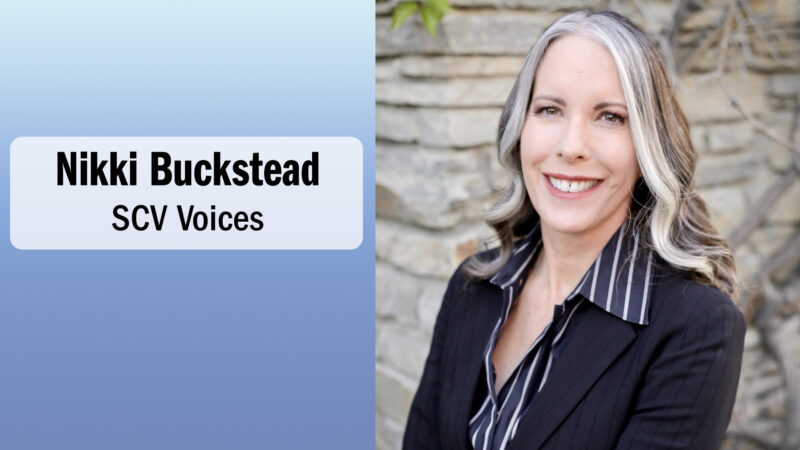
Nikki Buckstead is president and CEO of the Child & Family Center. Part 2 is scheduled to appear Oct. 14.