It’s that time of year and rattlesnake activity is spiking on popular trails. One local expert says the community should prepare for even more encounters in the weeks ahead.
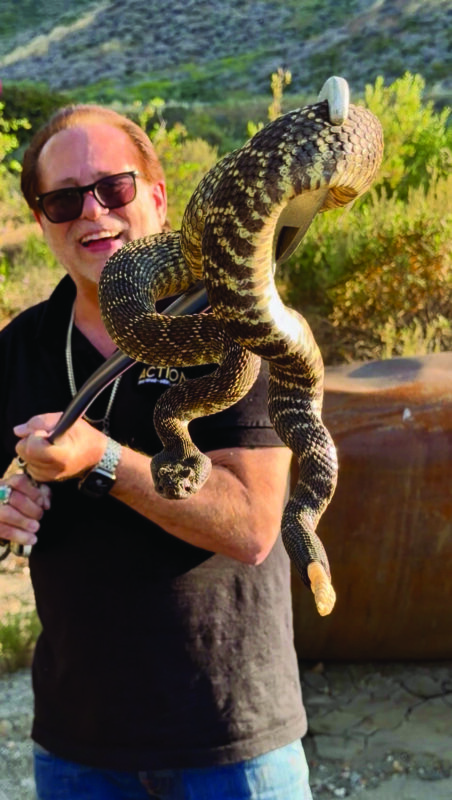
For decades, Cary Quashen has been the person residents call when a rattlesnake shows up on a porch, in your backyard or even inside a home. Known informally as Santa Clarita’s “snake sheriff,” Quashen runs a snake-removal service and operates The Snake School, a dog-training program that teaches rattlesnake avoidance. His phone rings constantly during peak season — and he wants residents to understand what’s driving the surge.
“When somebody calls me, I want them to leave the snake alone, but keep an eye on it,” he said. “Stay away from it, but keep an eye on it. Don’t try to catch it … they are potentially deadly and definitely dangerous.”
Quashen says the extreme heat Santa Clarita experienced this summer pushed rattlesnakes into homes and shaded vegetation. “When the weather is so hot, the sun will kill the snakes,” he explained. “They hunt in the morning and they hunt in the evening when it’s cool.”
Now that temperatures are dropping, he expects more daytime movement — especially on trails.
All SCV Trails See Activity
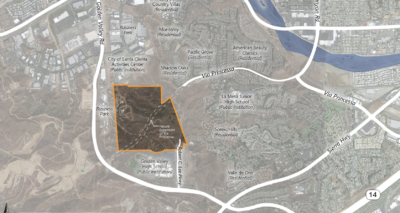
Asked which local trails see the most rattlesnake encounters — Towsley Canyon, East Walker Ranch, Golden Valley Ranch or the South Fork Trail — Quashen didn’t hesitate.
“All of them. All of them equal,” he said. “When the ground gets warm, the snakes come out.”
He’s already seeing signs that younger snakes, born late in the season, are beginning to emerge. “Now the weather’s changing … we’re going to have more babies now,” he said.
What Hikers Should Watch For
Quashen’s advice for hikers is simple: vigilance and distance.
“Just be hypervigilant,” he said. “Rattlesnakes are not aggressive animals. They won’t chase you … but if you step on them or put your hand in a bush and they’re there, they get threatened for their life.”
He urges hikers to stay on designated trails and avoid high brush, where snakes may be resting unseen.
If a rattlesnake is spotted on the trail — coiled or stretched across a narrow section — Quashen says the safest response is calm retreat.
“Simply back off, smile and say goodbye,” he said. “If you want to take a picture, do it from a distance … if it’s afraid, it will bite you.”
He also explained why rattlesnakes avoid biting unless absolutely necessary. “They bite, wait for the venom to take place, and the animal to die, and then they eat it,” he said. “If they give you too much venom, it’s going to take them anywhere from a couple days to a couple weeks to get enough to eat. So that’s the last thing they want to do.”
Dogs Face the Highest Risk
More than half of the snakes Quashen responds to are discovered by dogs — a statistic he finds deeply troubling.
“Almost every snake that I go to, I would say over 50% is found by the dog,” he said. “I can name over 70 dogs that have been bit this year that I know of.”
He shared the story of a woman whose two dogs were bitten. Unable to afford the anti-venom — which can cost between $2,500 and $12,000 — she watched both animals die. “These people don’t have the money and these are like their children,” he said.
To prevent tragedies like this, Quashen strongly recommends rattlesnake-avoidance training for dogs. His program, The Snake School, teaches dogs to recognize rattlesnakes by sight, scent, and sound. More information about The Snake School can be found online at thesnakeschool.com.
“I highly suggest rattlesnake avoidance classes for dogs,” he said. “Especially for hikers and people that live up by the hills.”
Why Snakes Are Appearing in Homes and Garages
Quashen has removed rattlesnakes from garages, porches, and even inside homes — including one found under a refrigerator after biting a family’s cat.
“They’re looking for a cool place to go,” he said. “If you’re in your garage, keep your garage door closed. If you have sliding doors, keep them closed.”
He warns that snakes displaced by heat or human activity may wander into unexpected places. “Sometimes they get displaced in the morning and they don’t know what’s going on, so they find a cool place to hide,” he said.
Gear and Safety Tips for Hikers
Quashen’s top recommendation is sturdy footwear.
“Definitely wear boots if you’re hiking,” he said. “Wear high boots.”
He also urges hikers to keep dogs leashed at all times. “Dogs are by nature curious… that’s how we’re getting a lot of bites,” he said. His own dogs, trained through Snake School, know how to avoid rattlesnakes on the trail.
If You See a Snake at Home
Quashen wants residents to call him immediately — and to avoid chasing or disturbing the snake.
“I don’t want the person to lose the snake because if they see it around their house, it’s going to be there again,” he said. “If they call me in time, I can come and get it.”
He also cautions residents not to force snakes into hiding. “Don’t intimidate it,” he said. “If it crawls in the air conditioning, it’s going to be awful hard to get.”
A Community Resource During Peak Season
Quashen’s phone number is (661) 713-3006.
Residents can also reach him through The Snake School, which offers both snake removal and dog-training services.
As rattlesnake season continues across SCV’s trail network, Quashen hopes hikers will stay alert, keep dogs close, and respect the wildlife that shares the valley.
“Just be hypervigilant,” he said. “Especially when you’re gardening, in your garage, or on the trails.”