Most Santa Clarita residents don’t think twice about the roads they drive on, the parks they visit, or the public buildings they use every day. But behind the scenes, a network of city staff works continuously to keep essential infrastructure functioning — often without residents ever noticing the effort involved.
General Services Manager Cruz Caldera and Facilities Manager Bryan Peck offered a rare look at the systems, inspections and preventive work that keep the city’s roads, rights-of-way and public facilities operating smoothly.
Proactive Maintenance on City Streets
Caldera oversees the city’s General Services Division, which manages streets, rights-of-way, and public areas. He said the city relies on a mix of technology and hands-on inspections to stay ahead of maintenance needs.
“We use a combination of technology and staff inspections to proactively identify maintenance needs,” Caldera said.
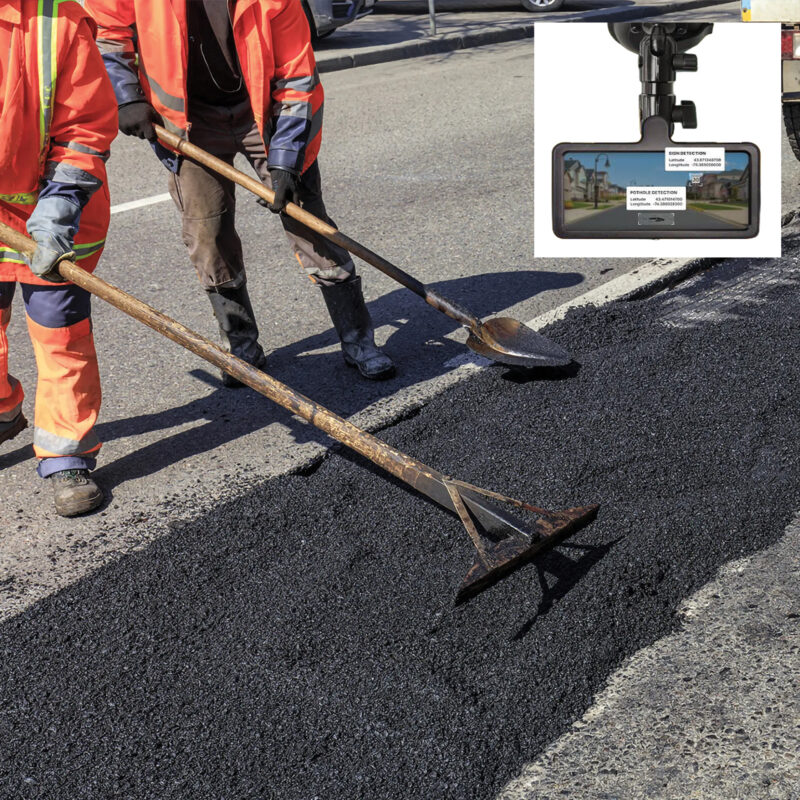
One of the newest tools is CITYROVER, an artificial intelligence system mounted on a city vehicle that scans pavement conditions as it drives. “We are experimenting with CITYROVER, an artificial intelligence tool mounted in a city vehicle that identifies pavement displacement and potential road defects as the vehicle travels city streets. This helps us identify areas that need attention and take a proactive approach to road maintenance.”
Through routine inspections and resident reports, Caldera’s crews repair approximately 1,500–2,000 potholes each year.
The city’s rights-of-way — areas along streets and public corridors — also require constant attention. “Staff also routinely inspect the city’s rights-of-way and respond to service requests involving weeds, litter, illegal dumping, and abandoned shopping carts,” Caldera said. “Our team removes approximately 160 tons of trash annually and responds to an average of 100–150 illegal-dumping service requests each year.”
Tracking Service Requests and Coordinating Repairs
To manage the volume of maintenance needs across the city, General Services relies on a centralized system.
“We use the city’s Resident Service Center, a public-facing system through Government Outreach that allows residents to submit service requests and communicate with staff,” Caldera said. Each request is routed to the appropriate supervisor, who assigns it to field staff. “This helps us track reported maintenance needs and coordinate our response.”
Safety drives the city’s repair priorities. “Safety is our first priority when evaluating work orders,” he said. Requests involving hazards are addressed first, followed by issues near schools, hospitals, senior living facilities, and parks.
Keeping the City’s Fleet Ready for Emergencies
Santa Clarita’s infrastructure depends on a reliable fleet of vehicles and equipment. Caldera’s division maintains nearly 400 units, from trucks and trailers to specialized equipment.
“The city’s fleet team maintains nearly 400 units, including vehicles, equipment, and trailers,” he said. Preventive maintenance is strict and consistent: “We follow a strict preventive maintenance program, inspecting every city vehicle every 6,000 miles or five months, whichever comes first.”
“These inspections allow our team to identify maintenance needs early and perform services according to each manufacturer’s recommended schedule,” he added. “This helps keep the fleet reliable and ready to support daily operations, emergencies, and periods of high demand.”
Coordinating with Water and Utility Agencies
Much of Santa Clarita’s water infrastructure lies beneath city streets, making coordination essential.
“We work closely with multiple agencies, particularly the water company, because their water infrastructure is located within city streets,” Caldera said. When water-related work affects the roadway, the city ensures repairs are completed safely and quickly to minimize disruption.
City staff also participate in regular utility coordination meetings. “These meetings help keep agencies informed and support consistent planning and coordination,” he said.
Preparing for El Niño and Severe Weather
Looking ahead, Caldera said the city is preparing for potential El Niño-related storms. “One of our biggest upcoming challenges is preparing for potential El Niño-related storm conditions,” he said. “Our focus is on taking proactive steps to reduce potential impacts and keep essential services functioning during severe weather.”
Inside City Facilities: The Work Residents Don’t See
While Caldera’s team manages outdoor infrastructure, Facilities Manager Bryan Peck oversees the systems inside city buildings — everything from HVAC units to elevators to everyday repairs.
“Behind the scenes, successful infrastructure maintenance comes down to small, consistent preventive tasks that keep city facilities safe, functional, and ready for the community,” Peck said. “Much of this work happens without residents ever noticing — and that is often a sign we are doing our jobs well.”
Peck’s team performs monthly preventive maintenance on HVAC systems in high-use buildings. “City staff perform monthly preventive maintenance on HVAC systems to keep them operating reliably in our high-use public buildings,” he said. This includes cleaning components, changing filters, and checking equipment operation.
Indoor air quality is supported by ultraviolet treatment systems. “These systems use UV light to help inactivate microorganisms such as bacteria and viruses,” Peck said. They work alongside conventional filters to provide an additional layer of air treatment.
Consistency is key. “Regular filter changes, cleaning coils and other components, keeping drain lines clear, and inspecting belts, motors, and electrical connections all help HVAC and mechanical systems operate reliably,” he said.
Responding to System Failures
When a system fails — whether HVAC, mechanical, or elevator — Peck’s team responds immediately.
“When a system fails, Facilities staff first assess the issue, determine any immediate safety concerns, and make repairs when the work is within our capabilities,” he said. When specialized expertise is required, the city coordinates with contractors. “Throughout the response, our priority is to restore service safely and as quickly as possible while minimizing disruption to the public.”
Many of the issues Peck’s team handles are invisible to residents. “Unclogging toilets, repairing leaking faucets, repainting walls and replacing lights,” he said. “Individually, these may seem like small tasks, but across city facilities they require significant time, coordination, and follow-through.”
Planning for Future Upgrades
Peck said annual facility inspections help identify aging infrastructure and prioritize repairs. The city is also implementing a new computerized asset management system. “This will make facility information more accessible and provide better tools for tracking maintenance, analyzing asset condition, and planning future investments,” he said.
Together, these efforts help the city stay ahead of infrastructure needs and maintain reliable public facilities. As Peck noted, “Individually, these may seem like small tasks, but across city facilities they require significant time, coordination and follow through.”