By Tom Ozimek
Contributing Writer
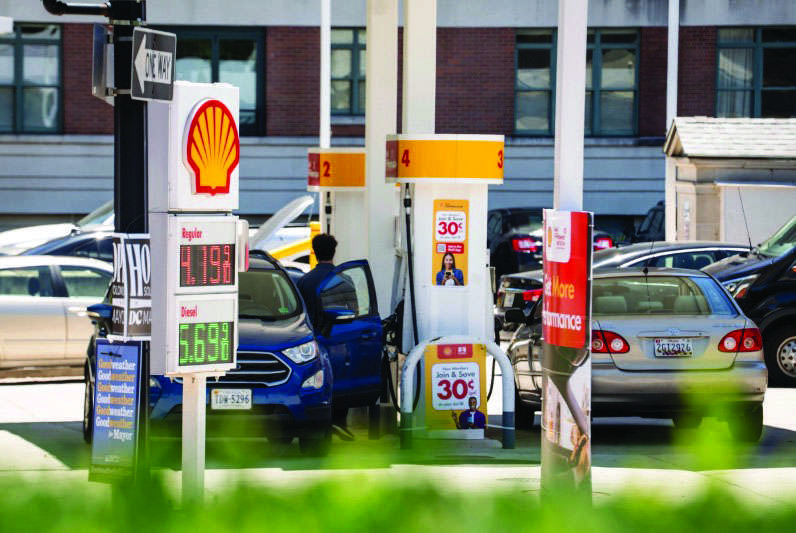
U.S. gasoline prices have fallen for a sixth consecutive week, slipping below $4 per gallon nationally, as easing concerns over global oil supplies and improving prospects for shipping through the Strait of Hormuz provided relief for motorists during the peak summer travel season.
The national average price for regular gasoline stood at $3.93 per gallon on Tuesday, according to the American Automobile Association, or AAA, down from $3.99 a week earlier and more than 58 cents below levels seen a month ago.
Separate data from fuel-tracking service GasBuddy showed prices fell 14.1 cents over the past week to an average of $3.85 per gallon on Monday, extending a decline that has erased roughly 15% from gasoline prices since their May peak.
“Average gasoline prices declined in nearly every state over the last week, while all 50 states saw average diesel prices move lower,” said Patrick De Haan, head of petroleum analysis at GasBuddy.
“However, the outlook is far from settled. New uncertainty has emerged after Iran suggested the Strait of Hormuz was closed, along with fresh warnings that the U.S. could again strike Iran, developments that could push oil prices higher in the days ahead.”
The gas price drop comes as U.S. and Iranian officials pursue negotiations aimed at turning a temporary ceasefire and memorandum of understanding signed last week into a broader agreement, easing fears of prolonged disruptions to energy flows through the Strait of Hormuz.
As part of the framework agreement, Iran agreed to reopen the Hormuz Strait, a key maritime chokepoint that its military had blocked in retaliation for joint U.S.-Israeli strikes at the end of February that triggered the war.
Crude prices, which soared in the immediate wake of the Hormuz blockade, have retreated sharply from recent highs as markets increasingly bet that oil shipments through the strategic waterway will continue to recover.
U.S. Secretary of Energy Chris Wright said over the weekend that commercial shipping traffic through the Strait of Hormuz had returned to normal levels and predicted further declines in oil, gasoline, and other energy prices.
“Flows of oil and natural gas through the straits have already returned to normal, and they will continue that way whatever happens with the negotiations with the Iranians,” Wright told ABC News on June 21.
The easing in fuel prices comes as millions of Americans prepare to travel for the Independence Day holiday period, with AAA expecting record levels of road travel.
“Drivers are getting a break at the pump as the summer travel season heats up,” the group said in a recent statement, attributing the sliding gas prices to the U.S.-Iran memorandum of understanding.
Meanwhile, in a move that further eased concerns about potential supply shortages in global oil markets, the Treasury Department on Monday issued a temporary 60-day general license authorizing the production, delivery, and sale of Iranian crude oil, petroleum products, and petrochemicals as part of the MoU framework.
The decline in gasoline prices could provide relief to consumers after months of elevated energy costs and may help ease broader inflation pressures.
Alex Hodes, an analyst at StoneX, said lower fuel prices should contribute to moderating inflation but cautioned that markets may be too optimistic about the U.S.-Iran deal.
The expectation that energy flows through the Strait of Hormuz will fully normalize is “a large assumption,” Hodes said, adding that setbacks remain possible in the months ahead.
Similarly, ING analysts said risks remain elevated despite the recent pullback in oil prices.
“Recent developments show that moving towards a more permanent deal will be challenging, with very real risks of a flare-up in hostilities during the 60-day ceasefire,” the analysts said in a Monday note.
“For energy markets, the key factor is still whether oil and LNG flows from the Persian Gulf continue to recover, despite all the rhetoric.”
Technical talks between U.S. and Iranian negotiators are expected to continue this week in Switzerland as both sides work toward a broader agreement within the 60-day negotiating window established under last week’s memorandum.
Reuters contributed to this report.