News release
Breast cancer remains the most commonly diagnosed cancer among women in the United States, affecting hundreds of thousands of families each year.
Health experts say greater awareness, regular screening and understanding personal risk factors can help detect the disease earlier, when treatment is often most successful.
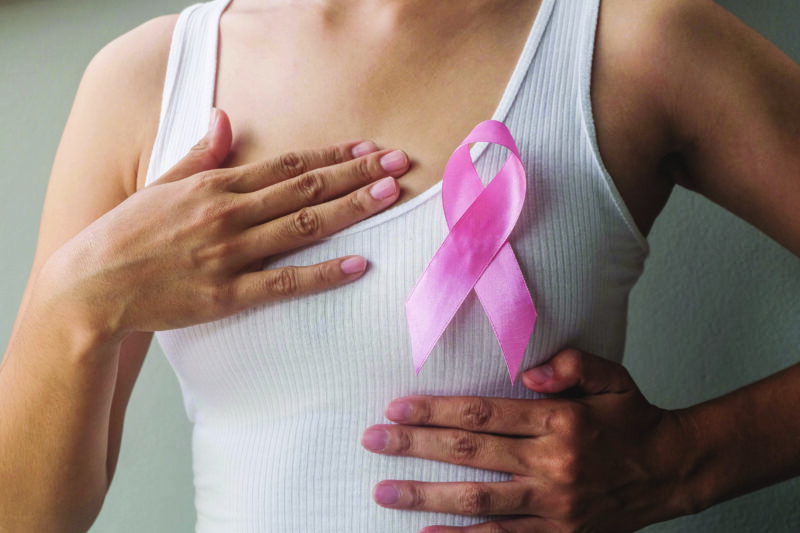
As the nation observes Breast Cancer Awareness Month in October, women are encouraged to learn the warning signs of breast cancer, discuss their individual risk factors with their health care provider and stay up to date on recommended screenings.
According to the Centers for Disease Control and Prevention (CDC), approximately 42,000 women die from breast cancer each year in the United States. The impact of the disease is not felt equally. Black women experience a higher breast cancer death rate than women in other racial and ethnic groups, highlighting the importance of access to screening and early detection.
Breast cancer accounts for about 30% of all new cancer diagnoses among women annually and remains the most frequently diagnosed cancer in women nationwide. In 2024, an estimated 310,720 women were expected to be diagnosed with invasive breast cancer, and nearly two-thirds of cases were expected to be identified before the disease spread beyond the breast, when treatment outcomes are generally most favorable.
More than 4 million women in the United States are living with a history of breast cancer, including those currently undergoing treatment and survivors.
Dr. Odin Chan, chief of OB-GYN with Kaiser Permanente Panorama City Service Area, which serves members in the Santa Clarita Valley, said while breast cancer is most commonly diagnosed in women age 50 and older, younger women can also develop the disease.
“Breast cancer doesn’t always cause symptoms in its earliest stages, which is why screening is so important,” Chan said in a news release from Kaiser. “A mammogram can detect cancer years before it can be felt, giving women the best chance for earlier treatment and better outcomes. Every woman should understand her personal risk and have a conversation with her doctor about when to begin screening.”
About 10% of newly diagnosed breast cancer cases occur in women younger than 45, according to the CDC. Although rare, men can also develop breast cancer, but those diagnoses account for fewer than 1% of all cases.
A mammogram, an X-ray of the breast used to screen for cancer, can identify tumors too small to be detected during a physical exam. The U.S. Preventive Services Task Force recommends women begin screening for breast cancer at age 40 and receive a mammogram every other year through age 74.
Breast cancer symptoms vary and, in some cases, people may have no symptoms at all. Experts recommend seeking medical attention if any of the following changes occur: a new lump in the breast or underarm; changes in the size or shape of the breast; pain in any area of the breast; nipple discharge other than breast milk, including blood.
While some risk factors, such as age, genetics and family history, cannot be changed, certain healthy lifestyle choices may help reduce the risk of developing breast cancer.
Health experts recommend: maintaining a healthy weight; engaging in regular physical activity; limiting or avoiding alcohol; breastfeeding, if possible; discussing family history with a physician; reviewing the risks and benefits of hormone replacement therapy or birth control medications with a health care provider.
Chan said taking a proactive approach to breast health can make a meaningful difference.
“There’s no guaranteed way to prevent breast cancer, but there are important steps women can take to protect their health,” Chan said in the release. “Know your family history, make healthy lifestyle choices, stay current with recommended screenings and don’t ignore changes in your body. Early detection saves lives, and that’s a message we want every woman to hear.”