Part 4 of 4
When most people think about domestic violence, they picture physical abuse. Bruises, broken bones, black eyes, or other visible injuries. These are the images we often see in awareness campaigns, movies and news stories.
But what about the abuse we can’t see?
What about the person afraid to spend money without permission? The woman whose partner constantly monitors her whereabouts? The teenager whose boyfriend demands access to her phone? Or the husband repeatedly humiliated, threatened, and isolated from family and friends?
These are also forms of domestic violence. And while they may not leave physical scars, the emotional and psychological damage can be devastating.
As we conclude this four-part series for Domestic Violence Awareness Month, I want to focus on recognizing the forms of abuse that often go unnoticed or are dismissed as part of a difficult relationship.
Throughout October, we’ve explored the connection between domestic violence and homelessness, how to support someone experiencing abuse, and the myths surrounding why survivors may remain in abusive relationships.
This final article brings us to another important conversation: understanding what abuse can actually look like.
Emotional and Psychological Abuse: The Invisible Wounds
Imagine being constantly criticized, belittled, or told you’re worthless. Your partner makes you question your decisions, your memory, and eventually, your own judgment.
Emotional and psychological abuse can include manipulation, humiliation, intimidation, threats and isolation from family and friends. It can also involve gaslighting, a form of manipulation that causes someone to question their perceptions or reality.
An abusive partner may alternate between affection and cruelty, leaving the survivor anxious and constantly trying to avoid another outburst.
Over time, these behaviors can erode confidence, independence and self-worth. Because there are no visible injuries, survivors may struggle to recognize or explain what they’re experiencing.
Financial Abuse: When Money Becomes a Weapon
Financial abuse is one of the most powerful ways an abusive partner can maintain control.
Imagine having a job but being required to turn over every paycheck. Or being denied access to bank accounts, having your credit ruined, or being prevented from working or pursuing an education.
For some survivors, even purchasing groceries requires permission.
Financial abuse can make leaving extraordinarily difficult. Without access to money, transportation, or housing, how does someone safely begin again?
This is one reason domestic violence and homelessness are so closely connected, as we discussed in the first article of this series.
Financial independence isn’t simply about having money. It’s about having choices and the freedom to make decisions about your own life.
Verbal Abuse: Words Can Cause Lasting Harm
Every relationship experiences disagreements. But there is a significant difference between an argument and a pattern of verbal abuse intended to intimidate, degrade, or control someone.
Repeated insults, name-calling, threats, screaming and humiliation can slowly erode someone’s sense of self.
When a person is repeatedly told they’re stupid, incapable, or that no one else would ever want them, those words can become deeply ingrained.
Verbal abuse is often minimized because there are no physical injuries. But words can leave lasting emotional scars, particularly when used repeatedly to exert power and control.
Sexual Abuse: Consent Matters in Every Relationship
Another harmful misconception is that sexual abuse cannot occur within a marriage or committed relationship.
It absolutely can.
Being married or in a relationship does not eliminate a person’s right to consent.
Sexual abuse can include unwanted sexual contact, coercion, intimidation, or pressure to engage in sexual activity. It may also involve threats or manipulation when someone refuses.
Consent must always be freely given. Fear, obligation, or pressure are not consent.
Digital Abuse: When Technology Becomes a Tool for Control
Technology has created new ways for abusive partners to monitor, intimidate and control others.
A partner may demand passwords, read private messages, track someone’s location, monitor social media, or use technology to threaten and harass.
Sometimes these behaviors are disguised as love or concern.
“If you have nothing to hide, why won’t you give me your password?”
“I just want to know where you are because I care about you.”
But there is a difference between caring about someone’s safety and controlling their freedom.
This is especially important for young people developing their understanding of healthy relationships in a world where technology is part of nearly every interaction.
Coercive Control: Understanding the Bigger Picture
One of the most important things to understand about domestic violence is that individual acts of abuse often form a larger pattern of power and control. This is known as coercive control.
It may involve controlling where someone goes, who they see, what they wear, how they spend money, or whether they can work or attend school. These behaviors may develop gradually. What begins as jealousy or possessiveness can become increasing isolation and intimidation.
A survivor may begin changing their behavior simply to avoid angering their partner. They may stop seeing friends, give up activities they enjoy, or constantly monitor what they say.
Eventually, their world becomes smaller and smaller.
Domestic violence isn’t always about a single incident. Often, it’s about establishing control over another person’s life.
Awareness Is Where Prevention Begins
At Child & Family Center, we see firsthand how domestic violence affects individuals, children, and entire families. We also see tremendous courage and resilience in survivors who reach out for help.
Our domestic violence program provides confidential support, safety planning, emergency shelter, counseling, advocacy, and assistance accessing resources to help survivors and their children find safety and stability.
But our work isn’t only about responding to abuse after it happens. It’s also about prevention.
Through our Community Outreach, Education & Resources Program, we teach young people what healthy relationships look like, helping them understand boundaries, consent, communication and respect; and, encouraging families to discuss behaviors that are often normalized or overlooked.
As Domestic Violence Awareness Month comes to a close, I hope these four articles have deepened understanding, challenged misconceptions and sparked conversations that might otherwise never happen.
Because awareness shouldn’t end when October does. We all have a role to play. As parents, educators, employers, friends, neighbors and community members, we can listen without judgment, recognize warning signs, and help connect those experiencing abuse with support.
Most importantly, we can teach the next generation that healthy relationships are built on trust, respect, kindness, equality, and the freedom to be yourself. Domestic violence doesn’t always leave bruises. But every form of abuse matters, every survivor deserves to be heard, and everyone deserves to feel safe in their own home.
And that’s a conversation worth continuing all year long.
If you or someone you know is experiencing domestic violence, Child & Family Center offers confidential support, safety planning, counseling, emergency shelter, and other services for survivors and their children. 24-hour hotline 661-259-HELP. Support and Resources 661-259-8175. www.childfamilycenter.org/domestic-violence-program. The National Domestic Violence Hotline is available 24/7 at 800-799-SAFE (7233) or thehotline.org.
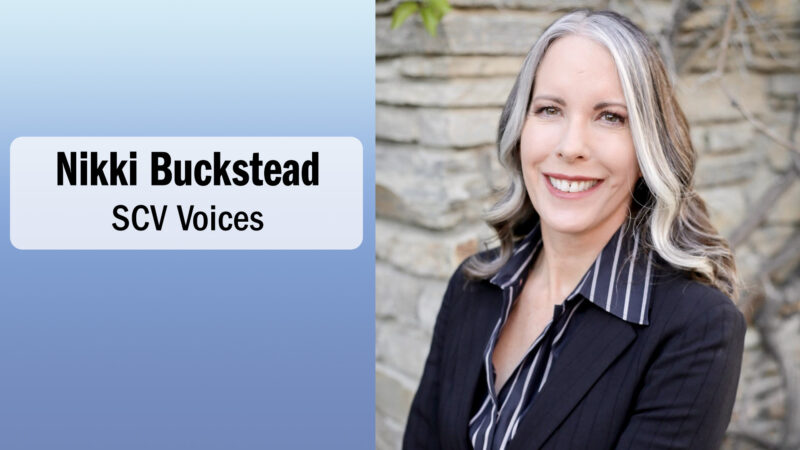
Nikki Buckstead is president and CEO of the Child & Family Center.